Mechanical ball milling Alumina

Produced through high-energy mechanical ball milling, this alumina delivers finely controlled particle size reduction, enhanced surface activity, and improved reactivity. Its cost-effective, scalable process produces consistent fine and ultrafine powders ideal for advanced ceramics, refractory materials, composite manufacturing, and precision surface finishing applications.

Alumina Featured Image

What Is Mechanical ball milling Alumina?

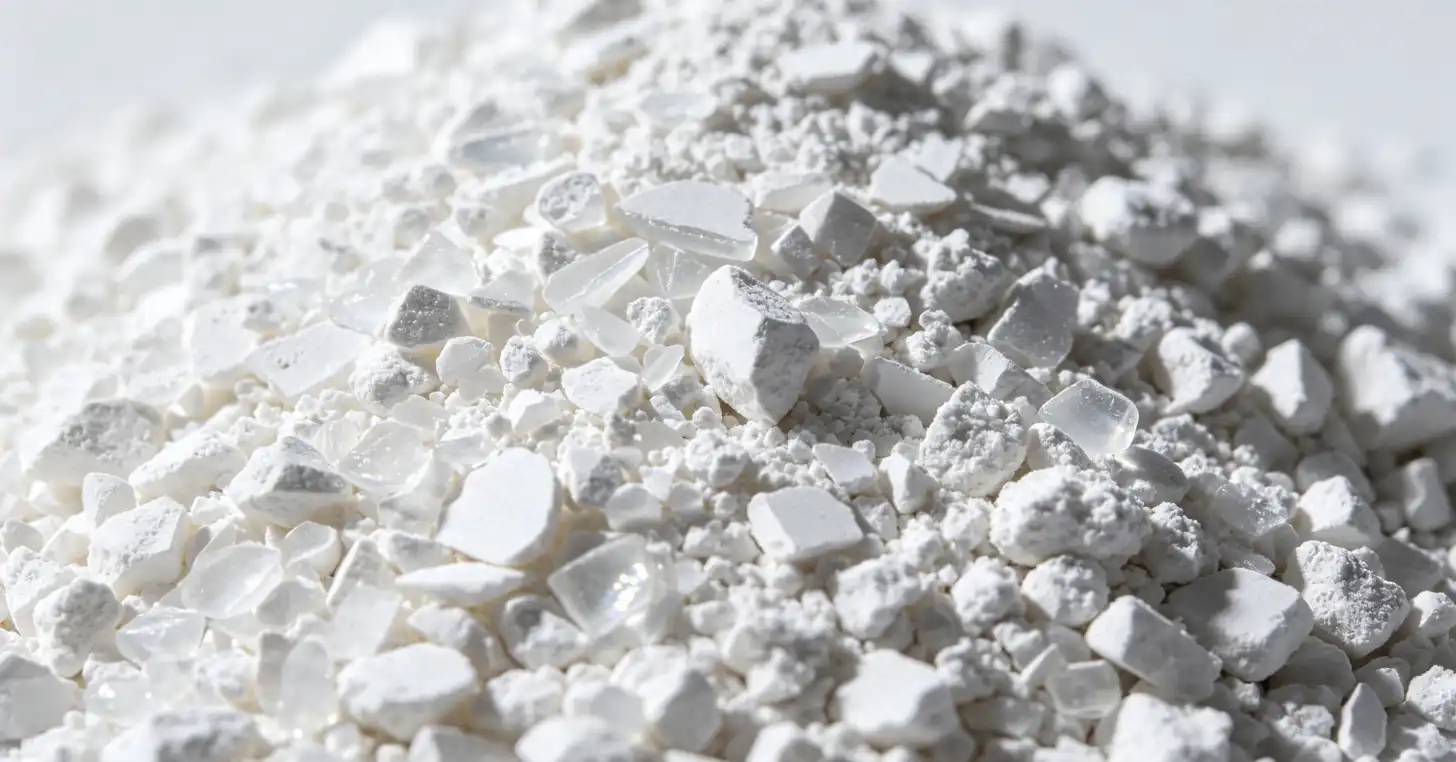
Mechanical Ball Milling Alumina refers to aluminum oxide (Al₂O₃) that has been processed through high-energy ball milling — a solid-state size reduction technique in which alumina feed material is loaded into a rotating or vibrating mill chamber along with grinding media, typically hardened steel, zirconia, or alumina balls. The repeated impact, compression, and shear forces generated between the milling media and alumina particles progressively fracture and refine the material into fine or ultrafine powders with enhanced surface characteristics.

Unlike chemical synthesis routes that build alumina from molecular precursors, ball milling is a top-down physical process — starting from coarser alumina feedstock and breaking it down to the desired particle size range. Milling parameters including rotational speed, media size, milling duration, and atmosphere can be systematically adjusted to target specific particle size distributions, surface areas, and degrees of structural defect introduction.

At extended milling times and high energy inputs, mechanical ball milling can also induce partial amorphization of the alumina crystal structure, increase lattice strain, and generate highly reactive surface states — properties that can be exploited in sintering, catalytic, and composite material applications. This combination of size reduction and surface activation makes Mechanical Ball Milling Alumina a practical and versatile material solution across a broad range of industrial sectors.

Why Choose Mechanical Ball Milling Alumina?

業界が直面する課題

Particle Size Consistency

Achieving uniform particle size distribution across batches remains difficult due to variables in milling speed, duration, and media wear.

Contamination Control

Prolonged mechanical milling introduces impurities from grinding media and mill liners, compromising alumina purity.

Thermal Sensitivity

Excessive heat generated during high-energy milling can trigger premature phase transformation, altering the material’s crystalline structure.

Surface Area Degradation

Over-milling risks collapsing the porous structure, reducing the BET surface area critical for catalytic and adsorption applications.

Agglomeration Tendency

Fine alumina particles are prone to re-agglomeration after milling, making it challenging to maintain a stable, dispersed powder form.

Scalability Limitations

Translating lab-scale milling parameters to industrial-scale production often results in inconsistent performance and yield losses.

製品概要

アルミナ

AP-α-ELE/P300

Why Use Our Mechanical ball milling Alumina

High Purity Retention

Advanced milling processes minimize cross-contamination, preserving the chemical integrity of alumina and meeting strict purity requirements for technical and industrial-grade applications.

Enhanced Surface Area

The milling process effectively increases BET surface area, improving reactivity and adsorption capacity — critical for catalytic, refractory, and functional material applications.

Superior Particle Uniformity

Mechanical ball milling produces a narrow particle size distribution, reducing variability between batches and delivering consistent quality that downstream processes can depend on.

関連アプリケーション

Mechanical ball milling alumina serves as a critical material across a broad range of industrial and technical applications. Its precisely controlled particle size, high purity, and enhanced surface area make it exceptionally versatile — performing reliably whether used as a functional filler, structural ceramic component, or catalytic support. From advanced electronics to heavy-duty refractories, ball-milled alumina delivers the consistency and performance that modern manufacturing demands.

業界別ソリューション

Ball-milled alumina plays a vital role in solving real-world challenges across multiple chemical and industrial sectors. Whether optimizing catalyst performance in petrochemical refining, enhancing thermal resistance in refractory applications, or improving precision in advanced ceramics manufacturing, the right alumina specification makes all the difference. Explore our industry solutions to see how ball-milled alumina is engineered to meet the specific demands of your sector — and find the grade that fits your process.

梱包・物流サービス

安全でカスタマイズ可能な梱包

製品は、輸送中の清潔さと完全性を確保するため、耐久性があり防湿性のあるパウチまたはバルク容器に収納されるものとします。特殊なサイズや取り扱い要件に合わせた、カスタマイズされた梱包オプションもご用意しています。.

信頼性が高く、柔軟なグローバル配送

信頼できる物流パートナーと連携し、海上、航空、陸路の各輸送手段に対応した柔軟な配送体制を提供しています。世界中の目的地へ、迅速かつ安全に貨物を配送いたします。.

注文・サポートの専任調整

弊社では、注文の確定から最終出荷に至るまでの追跡および記録について、特別なサポートを提供しています。サプライチェーンの円滑な運用を保証するため、技術面および物流面でのサポートもご用意しております。.

あなたにぴったりの産業用ソリューションを見つけませんか?

ご注文方法!

詳細なご質問をお送りいただくか、お客様の活性炭のご要件に合わせたお見積もりをご依頼ください。.
製品の詳細、価格、納期などが記載された詳細な提案書をご請求ください。.
ご注文内容をご確認の上、安全な決済手続きをお進めください。.
ご注文は、迅速に処理・丁寧に梱包され、速やかに発送されます。.
配信に集中してください。何かありましたら、遠慮なく当社のテクニカルサポート担当者までご連絡ください。.

今すぐお問い合わせ!

個別のお見積もりや技術サポートをご希望の方は、今すぐお問い合わせください。.

お問い合わせはこちら