3Dプリント用アルミナ

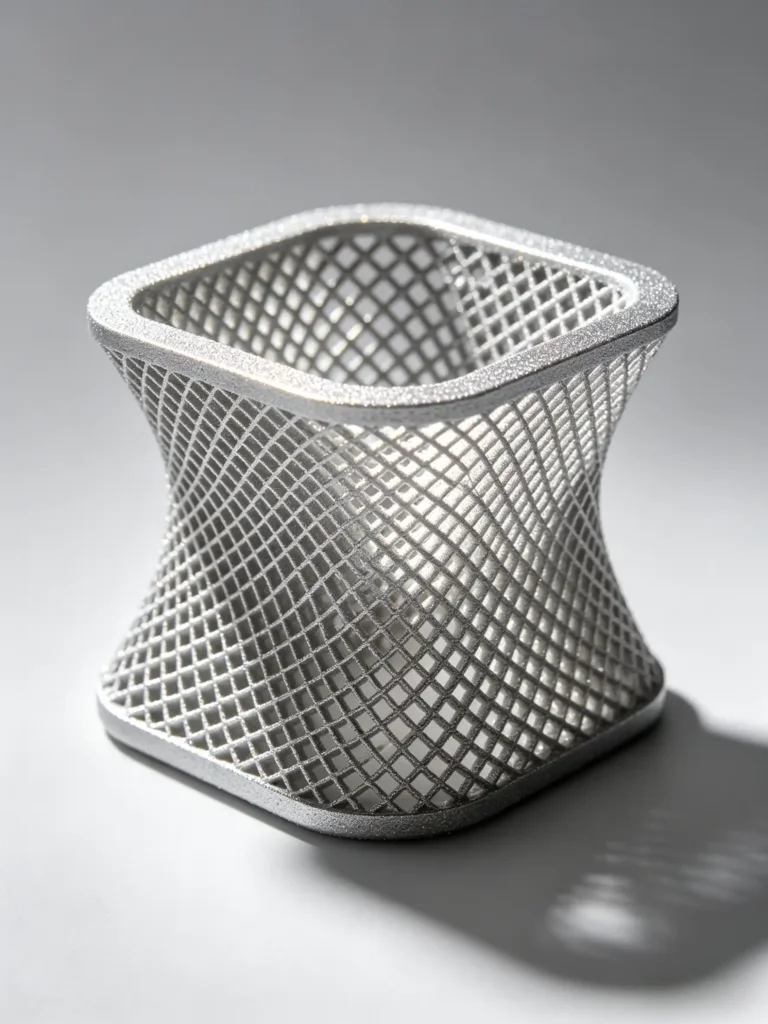
3D printing aluminum oxide can produce complicated, almost netlike aluminum parts that have the same mechanical strength, heat stability, and chemistry as a full-fired technological ceramics — without the geometrical constraints of traditional molding techniques.
3D Printing Alumina Featured Image

What Is 3D Printing Alumina?

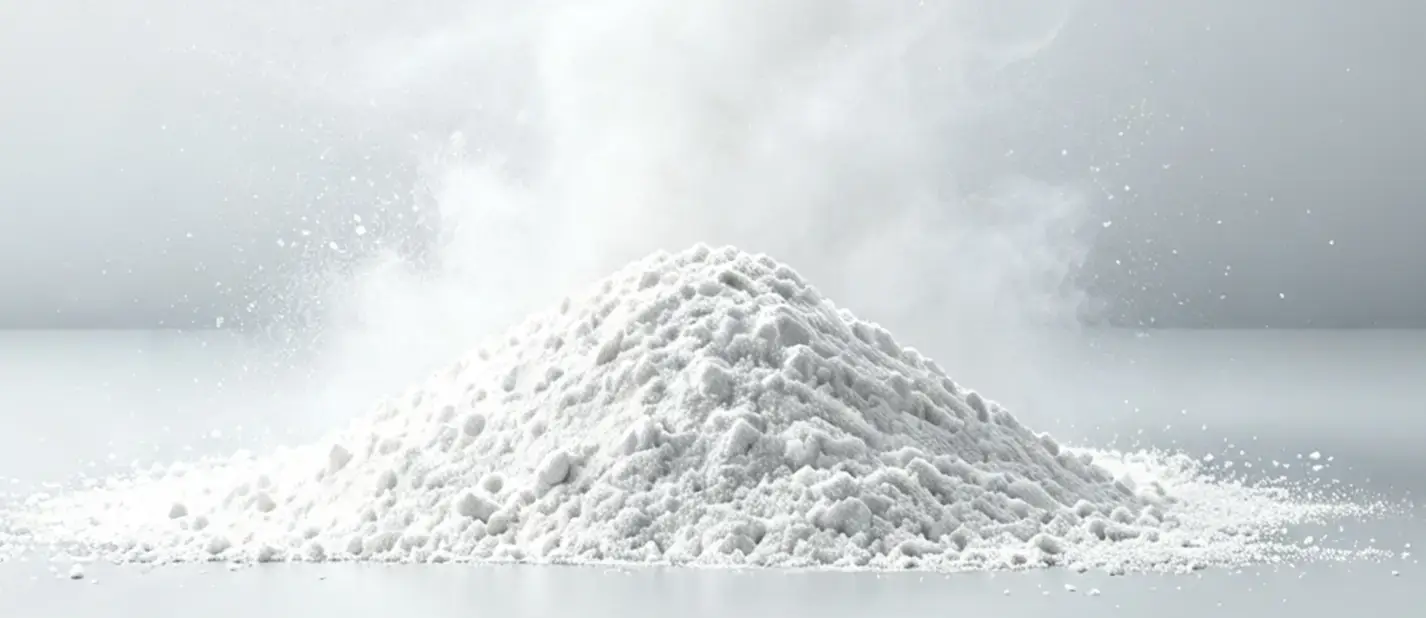
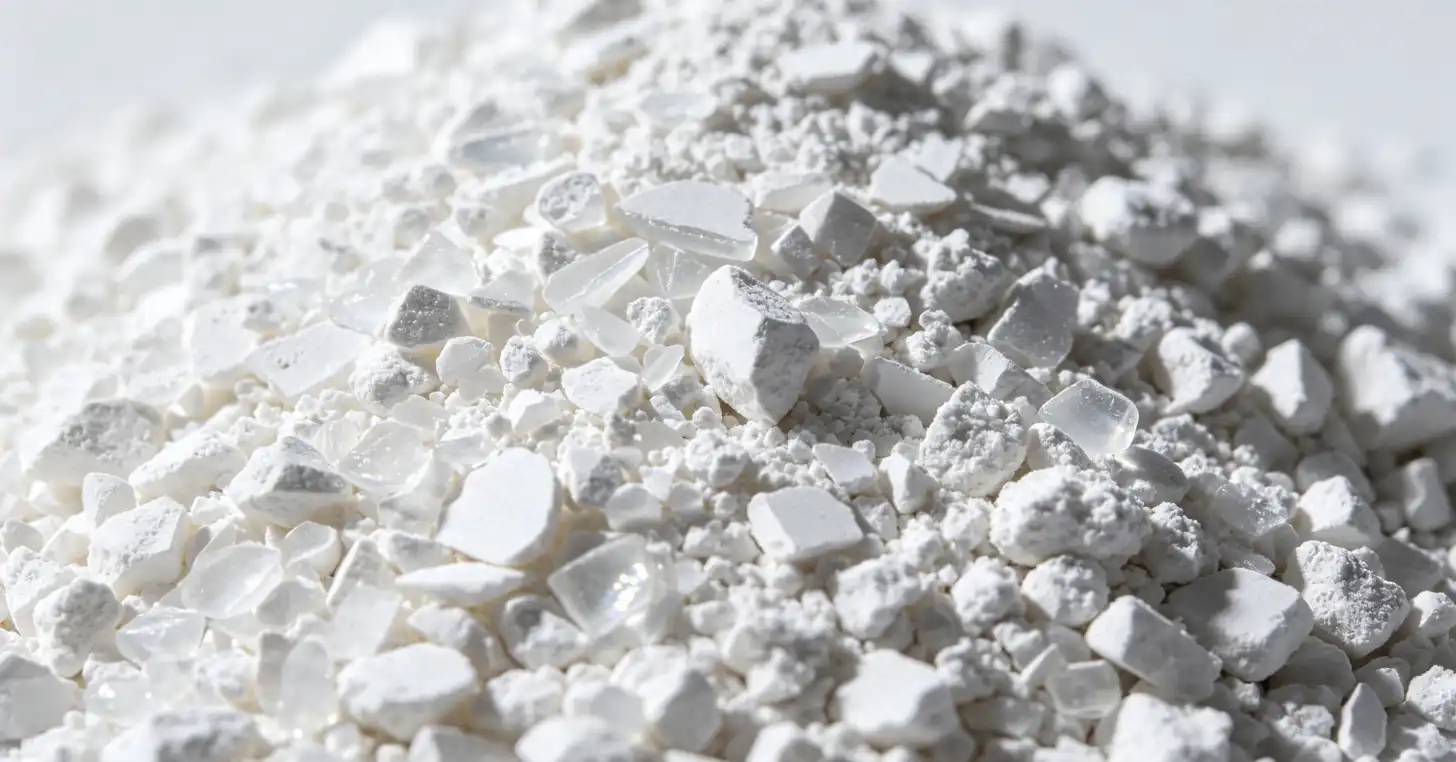
3D printing alumina is high-purity aluminum oxide powder specially designed for ceramic additive manufacturing processes like stereolithography, digital light processing, binder jetting, direct ink writing, and fused deposition modeling of ceramic composites. Compared with standard calcined alumina powders, 3D printing alumina is produced with precise particle size distributions, surface chemistry specifications, and flowability to ensure reliable feedstock preparation, uniform layer deposition, and consistent green body formation on ceramic additive manufacturing platforms. The alumina powder is usually made into photocurable ceramic slurries, aqueous or solvent-based inks, or binder-compatible granule feedstocks based on the target printing process. After printing, green bodies go through controlled debinding and high-temperature sintering to form a dense, fully consolidated alumina microstructure, with mechanical properties, hardness, and chemical resistance similar to conventionally formed and sintered technical alumina ceramics. Ceramic additive manufacturing with alumina allows production of complex three-dimensional geometries, including internal channels, lattice structures, undercuts, and fine surface features, which are geometrically impossible or economically unfeasible to produce through conventional pressing, casting, or machining of technical ceramics. This design freedom, together with alumina’s inherent material properties, creates new possibilities for customized ceramic components in aerospace, medical, electronic, defense, and advanced industrial manufacturing applications where both geometric complexity and high-performance ceramic material properties are needed at the same time.

Key Advantages of 3D Printing Alumina

業界が直面する課題

Feedstock particle size and distribution inconsistency disrupting slurry stability and print resolution

Poor control of the grain size of aluminum oxide leads to sludge settling, non-uniform deposit, and deterioration in print resolution – which is a direct threat to the dimension precision and appearance of the green body components prior to firing.

Sintering shrinkage prediction and dimensional control in complex printed geometries

Aluminum oxide elements are significantly and anisotropic in the course of sintering – it is a technical challenge to accurately predict and compensate for the complexity of the 3D printed geometry, which will need to be developed repeatedly to reach the desired ultimate size.

Achieving sintered density and mechanical properties equivalent to conventionally formed alumina

Remaining voids due to incomplete debinding, inadequate sintering temperature, or green body defects result in a reduction in the mechanical strength, hardness and chemistry of a sintered 3D printed aluminum alloy parts that are lower than those of conventional compression and sintered process ceramics.

製品概要

アルミナ

AP-α-3DP/G500

Specific Use Scenarios — 3D Printing Alumina

Aerospace and Defense Structural and Thermal Components

Aluminum oxide has been developed for the production of complicated space structures, radome materials, heat protective devices, and high temperature sensing shells in which aluminum oxide combines low-density, high temperature, electric insulating properties, and radar transparencies to give superior performance to metal substitutes. 3-D printing makes it possible to obtain the complicated inner geometry, conformal cooling passages, and light grid construction needed for an aeronautical ceramic element which is not economical to manufacture by traditional ceramic processing or shaping techniques.

医療用インプラントおよび生体医療機器の構成部品

Due to its biocompatibility, chemical inertia, and bio-inert surface characteristics, high purity aluminum oxide has become a promising candidate for orthopaedic implant parts, dental prostheses, and biomedical device casings. Ceramic additive fabrication makes it possible to achieve a more precise alignment of the patient’s anatomy with the help of a customized femur, a tooth crown, a spine, and a skeleton framework with a controlled porosity.

Electronic Substrates and Microelectronic Packaging Components

Aluminum oxide is an excellent insulator for its insulating performance, heat conduction, and dimension stability. It has been widely used in electronics, electric and microwave components. 3-D printing technology allows the manufacture of customized electronic board geometric shapes – including integrated vias, built-in channel characteristics, and application-specific footprint configurations – to decrease the complexity of the components and increase the heat management capability in the field of power electronics and high frequency electrical equipment packing.

Industrial Wear Parts and Custom Ceramic Components

In the fields of chemistry, semi-conductor, food-processing, and precise engineering, aluminum oxide – including the nozzle, the guide, the seal, the pump and the precise fixing – needs to be changed often because of abrasion or chemical abrasion. Ceramic additive fabrication makes it possible to quickly produce customized aluminum alloy parts in a low volume with no tooling lead-time – to minimize the down time of the machine and to optimize the geometrical parameters to increase the wear lifetime under certain operational conditions.

Research, Prototyping, and Custom Ceramic Development

3-D Aluminum Oxide is utilized by College Research Teams, Materials Development Labs, and Advanced Ceramic Makers to create Prototype Ceramic Parts, Experimental Sample Geometry, and Function Demonstration Devices for New Ceramic Applications. AM removes the mold and minimal order limit of traditional ceramic molding – allowing the research and development team to quickly iterate over the geometric and structural changes in the lab prior to committing themselves to producing tooling.

High-Temperature Laboratory and Analytical Equipment Components

Aluminum oxide is a good choice in chemistry, high temperature, and insulating properties for use in lab crucible, pipe stove, analysis apparatus, and high temperature test fixture. 3-D printing makes it possible to produce customized lab aluminum parts — including nonstandard crucible geometry, customized thermocouples protective pipes, and application-specific oven fittings — which are not available in conventional labs for special research and analysis purposes.

Our 3D Printing Alumina Advantages

Complex Ceramic Geometry Production Without Tooling or Forming Constraints

The use of aluminum oxide to produce ceramic additive removes mold pressure and geometry constraints - making it possible to produce aluminum oxide parts with inner passages, grid patterns, and complex curvature that can not be obtained by traditional ceramic molding techniques, while avoiding the lead time and capital costs associated with specialized ceramic tooling.

Full Sintered Performance Properties in Geometrically Complex Component Forms

Appropriately prepared and sintered 3D printed aluminium is as thick, tough, and chemically resistant as those of conventional technology - providing a high purity aluminium oxide's full material properties in a complicated assembly geometry that would have required costly processing of compact aluminium sheets.

Rapid Prototyping and Small-Batch Production Without Hard Tooling Investment

Additive fabrication removes the mould and mould costs related to traditional ceramic fabrication – allowing for economical fabrication of customized aluminum oxide parts in a sample amount and a small batch size, while not producing a minimal number of orders and tooling lead times that are needed for traditional ceramic fabrication.

すべての活性炭のカテゴリーを検索

3D printing alumina is one specialized grade within a broader alumina product range engineered for diverse industrial requirements. We offer a wide range of products ranging from active aluminum oxide used in drying and fluorine removing, baked aluminum oxide for refractory and abrasive use, as well as grinding aluminum oxide for precise milling. Check out the full catalogue of aluminum oxide products for comparison of grades, forms, and specs – and identify appropriate aluminum oxide solutions for each of your operations.

すべての産業向けソリューションを検索

3D printing aluminum oxide is one part of a wider range of advanced industrial chemical materials. Effective results are usually achieved through the use of aluminum oxide, active carbon, and titanium dioxide in conjunction with each other in space, medical equipment, electronic, and modern industry. Explore our industrial solutions and find out how they work together to solve the complexity of production, performance and compliance problems in many industries.

梱包・物流サービス

安全でカスタマイズ可能な梱包

製品は、輸送中の清潔さと完全性を確保するため、耐久性があり防湿性のあるパウチまたはバルク容器に収納されるものとします。特殊なサイズや取り扱い要件に合わせた、カスタマイズされた梱包オプションもご用意しています。.

信頼性が高く、柔軟なグローバル配送

信頼できる物流パートナーと連携し、海上、航空、陸路の各輸送手段に対応した柔軟な配送体制を提供しています。世界中の目的地へ、迅速かつ安全に貨物を配送いたします。.

注文・サポートの専任調整

弊社では、注文の確定から最終出荷に至るまでの追跡および記録について、特別なサポートを提供しています。サプライチェーンの円滑な運用を保証するため、技術面および物流面でのサポートもご用意しております。.

あなたにぴったりの産業用ソリューションを見つけませんか?

ご注文方法!

詳細なご質問をお送りいただくか、お客様の活性炭のご要件に合わせたお見積もりをご依頼ください。.
製品の詳細、価格、納期などが記載された詳細な提案書をご請求ください。.
ご注文内容をご確認の上、安全な決済手続きをお進めください。.
ご注文は、迅速に処理・丁寧に梱包され、速やかに発送されます。.
配信に集中してください。何かありましたら、遠慮なく当社のテクニカルサポート担当者までご連絡ください。.

今すぐお問い合わせ!

個別のお見積もりや技術サポートをご希望の方は、今すぐお問い合わせください。.

お問い合わせはこちら