廃水処理用活性炭

Active Carbon is one of the most efficient and extensive applications in waste water management. It can eliminate COD, micro-pollution, poisonous organic matter, and new pollution of interest in industry and urban waste water.
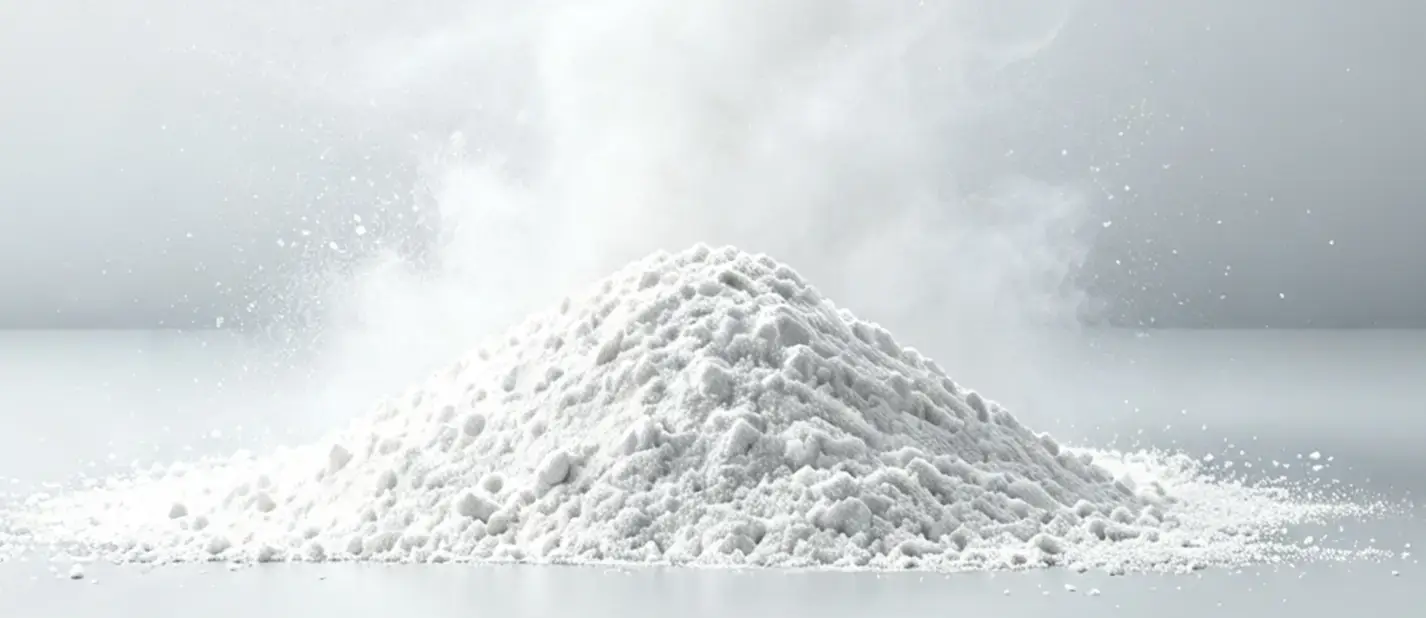
Wastewater Treatment Activated Carbon Featured Image

What Is Wastewater Treatment Activated Carbon?

Waste water treatment Active Carbon is a process in which particulate (GAC), PAC, and special active carbon materials are applied in urban and industrial waste water treatment systems. The main role of the system is to eliminate DOC, COD, micro-pollution, toxicants, and new pollutants that can not be properly dealt with by the biotreatment process, such as the active sludge, the drip filter and the membrane bioreactor.

Modern waste water management is confronted with a growing problem: there are increasing concentrations of drugs, endocrine disruptors, pesticides, PFAS, industrial dyestuffs, heavy metal complexes and other micro-organic pollutants in waste water flows which are largely unaffected by traditional second generation processes. Globally, regulatory frameworks — such as the EU’s Urban Wastewater Treatment Directive, U.S. EPA waste water management guidelines, and comparable national emission standards — have been tightening the acceptable pollutant limit values, so that advanced tertiary processing is no longer an option for many city and industry businesses. Active carbon has become one of the best known, universal, and economical third generation techniques, which can bring waste water pollution down to the parts per trillion that is currently required by the regulatory authorities for safe waste water re-use.

Key Advantages of Wastewater Treatment Activated Carbon

業界が直面する課題

Increasingly Stringent Discharge Regulations

Across the world, regulatory frameworks are gradually tightening allowable contamination levels – such as those for micro-pollutants, drugs, and PFAS – which can’t be achieved by traditional second generation processes – forcing municipalities and industry to invest in more sophisticated third generation techniques or face severe enforcement sanctions.

Complex and Variable Influent Contaminant Profiles

The chemical, pH, temperature and pollutant concentration of the industrial waste water flow are highly variable due to the manufacturing process and the seasons, which render the specification and operation of a solid activated carbon system which is continuously compliant with the emission allowance limits for all input conditions.

Biological Treatment Cannot Remove Recalcitrant Organics

Drugs, endocrine disruptors, PFAS, synthetic dyes, and a number of industrial chemicals are completely resistant to biodegradation by being essentially undamaged by the active sludge and membrane bioreactors and by the need for a special sorption polishing phase to attain the desired effluent quality.

製品概要

活性炭

AQ-GCL-1240

Industrial Effluent Treatment and Discharge Compliance

Industrial Effluent Treatment and Discharge Compliance

The manufacturing facilities in the fields of chemistry, pharmacy, food and drink, as well as electronic equipment produce process sewage with a high concentration of organic compounds, solvents, surfactants, and special chemicals, which have to be brought down to acceptable levels prior to being released into the city’s sewage system or the receiving water. Active Carbon – in GAC fixed and PAC dosage configurations – offers a dependable COD reduction, toxic elimination, and micro-organic polishing capability for complicated industrial waste flows, allowing the plant to remain consistent with the variation of the production schedule and the seasonal input composition.

Textile and Dye Wastewater Decolorization

The textile dyeing and finishing process generates one of the best visual and chemical waste flows in the industry – high-COD waste water with a high degree of resistance to biodegradation, which makes it difficult for the recipient to see even at low levels. Active carbon absorption offers high efficiency in decolorizing and reducing COD in textile waste, removal of the active and dispersion of the dye in the waste water, allowing the dye plant to comply with the colour emission limit and to continue its sustainable operation in the environmental sensitive catchment areas.

Pharmaceutical and Hospital Wastewater Treatment

Waste water comprising active pharmaceutical components (APIs), antibiotics, cytostatic substances, and contrast agents is discharged at levels which present an ecotoxicology hazard for the aquatic system and contribute to the development of antimicrobial resistance in the absence of treatment. Active Carbon – especially PAC – is used to effectively remove such bioactive microcompounds from the waste water flow in the pharmacy and the hospital, thereby lowering its impact on the environment and promoting compliance with the increasing regulatory responsibilities of the drug industry on responsible waste water management.

埋立地の浸出水処理

Landfill leachate is among the most chemically complex and difficult-to-treat wastewater streams in environmental management. It contains ammonia, heavy metals, halogenated organic compounds, PFAS, humic substances, and a wide range of xenobiotic chemicals that seep out together from buried waste over a period of decades. Activated carbon polishing stages, which are installed downstream of biological and physicochemical pre-treatment in specialized leachate treatment systems, adsorb the recalcitrant organic fraction and trace contaminants that cannot be removed by earlier treatment processes. This allows leachate operators to comply with strict discharge permit limits and avoid groundwater contamination from existing landfill sites.

Produced Water and Oil and Gas Wastewater Treatment

The extraction of petroleum and natural gas creates a lot of produced water which includes soluble hydrocarbons, BTEX compounds (benzenes, ethyl benzenes), natural radioactivity (NORM), as well as process chemicals, which have to be eliminated prior to the release, re-injection, or beneficial reuse of the water. Active Carbon Processing Systems allow efficient absorption of hydrocarbons and BTEX from the generated water flows, protection of the receiving environment against oil pollution, and allow the oil and gas industry to comply with the WTP requirements for both the land and the sea.

Advanced Wastewater Reuse and Water Recycling

In the context of increasing global water shortages, urban and industry operators have begun to carry out waste water re-use programs that use the treated waste water to irrigate agriculture, industry refrigeration, ground water recharge, and – in water-stressed areas – indirectly or directly. Active Carbon Polishing is a compulsory processing phase in almost all modern recycling programs, which removes residual trace organics, micro-contaminants, and flavour and odour compounds to levels that meet both regulatory reuse standards

Our Wastewater Treatment Activated Carbon Advantages

Removes Recalcitrant Contaminants Biological Treatment Cannot

Active carbon absorbs drugs, PFAS, endocrine-disrupting agents, synthetic dyes, and industry chemicals that completely resist biodegradability – offering an advanced finishing phase to bridge the processing gap between traditional second processing and waste water quality requirements for regulatory discharge compliance and secure waste water reuse.

Flexible Deployment Across Existing Treatment Infrastructure

PAC is directly incorporated into an existing bioprocessing phase through a low capital cost delivery system, whereas granular PAC offers a specialized third level polishing - allowing the operator the flexibility to improve the disposal capability at any size without completely re-engineering the existing waste water treatment facility infrastructure.

Enables Wastewater Reuse and Circular Water Economy Goals

Active Carbon Polishing can generate enough pure treatment effluent for agriculture, industrial refrigeration, ground water recharge, and drinking re-use -- turning waste waste from waste treatment into usable water sources and supporting recycling targets that communities and sectors need to prove more and more.

すべての活性炭のカテゴリーを検索

Efficient waste water management requires an active carbon level that corresponds exactly with the pollutant profile of your effluent, the target of the treatment, and the emission permit. Our active carbon portfolio includes granular (GAC), powdered (PAC), and specialized grades designed for urban third level polishing, industry waste water treatment, and advanced waste water recycling. Look through our full Active Carbon Directory to compare specs, determine appropriate products for your waste water management system, and ask for Technical Data Sheet for your project assessment.

すべての産業向けソリューションを検索

Waste water management is one of a number of complex environment and industry problems in which advanced chemical materials provide critical performance. Regardless of whether you operate in a range of sectors such as potable water cleaning, industrial gas cleaning, air-pollution control, food-handling, or environmental remediation, we use active carbon, aluminum oxide, titanium dioxide and other high performance materials for a wide range of applications. Look for the appropriate materials and methods for your particular industry and regulation.

梱包・物流サービス

安全でカスタマイズ可能な梱包

製品は、輸送中の清潔さと完全性を確保するため、耐久性があり防湿性のあるパウチまたはバルク容器に収納されるものとします。特殊なサイズや取り扱い要件に合わせた、カスタマイズされた梱包オプションもご用意しています。.

信頼性が高く、柔軟なグローバル配送

信頼できる物流パートナーと連携し、海上、航空、陸路の各輸送手段に対応した柔軟な配送体制を提供しています。世界中の目的地へ、迅速かつ安全に貨物を配送いたします。.

注文・サポートの専任調整

弊社では、注文の確定から最終出荷に至るまでの追跡および記録について、特別なサポートを提供しています。サプライチェーンの円滑な運用を保証するため、技術面および物流面でのサポートもご用意しております。.

あなたにぴったりの産業用ソリューションを見つけませんか?

ご注文方法!

詳細なご質問をお送りいただくか、お客様の活性炭のご要件に合わせたお見積もりをご依頼ください。.
製品の詳細、価格、納期などが記載された詳細な提案書をご請求ください。.
ご注文内容をご確認の上、安全な決済手続きをお進めください。.
ご注文は、迅速に処理・丁寧に梱包され、速やかに発送されます。.
配信に集中してください。何かありましたら、遠慮なく当社のテクニカルサポート担当者までご連絡ください。.

今すぐお問い合わせ!

個別のお見積もりや技術サポートをご希望の方は、今すぐお問い合わせください。.

お問い合わせはこちら