
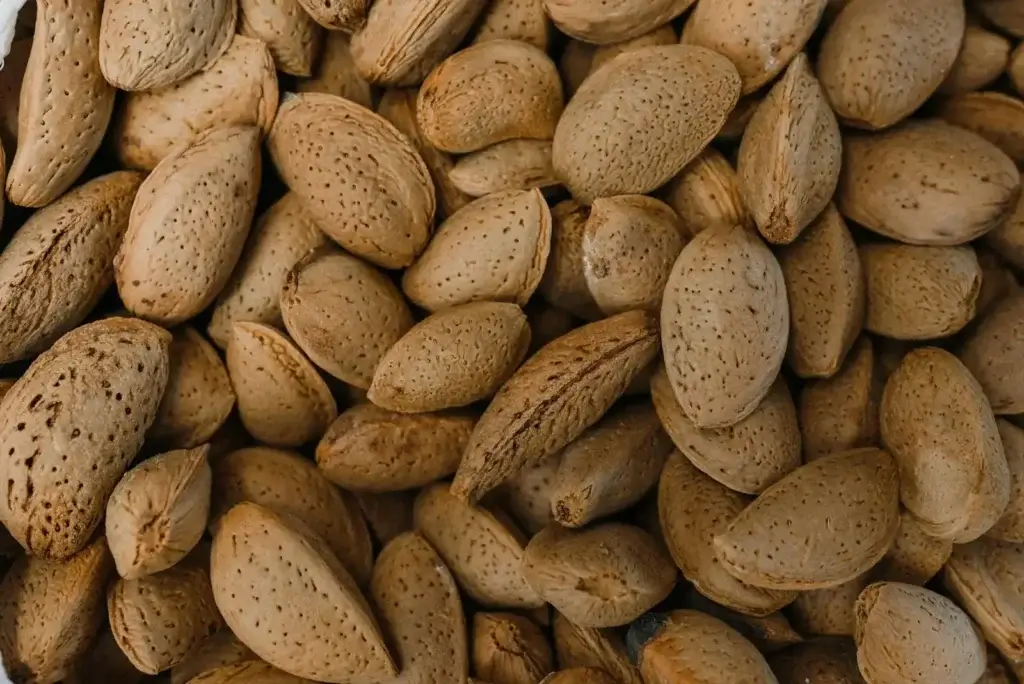
Activated carbon has long been a cornerstone material in water purification, air treatment, and industrial processing. Among the various raw material sources available, almond shells have emerged as a particularly compelling feedstock. Global almond production exceeded 3.5 million metric tons in recent years, generating an enormous quantity of shells as agricultural byproducts that were historically burned or landfilled. The conversion of this waste stream into high-performance activated carbon represents a significant advancement in both materials science and circular economy practices.
As industries worldwide face tightening environmental regulations and growing pressure to adopt sustainable practices, the demand for bio-based adsorbents has accelerated dramatically. The global nutshell activated carbon market was valued at USD 683.5 million in 2024 and is projected to reach USD 1,064.5 million by 2032, growing at a CAGR of 5.7%. Almond shell activated carbon occupies a distinctive position within this expanding market, offering a unique combination of pore structure, surface chemistry, and sustainability credentials.
Almond shell activated carbon is a highly porous carbonaceous adsorbent produced through the controlled carbonization and activation of almond shells, characterized by a well-developed mesoporous structure, high BET surface area ranging from 696 to over 1,700 m²/g, and strong adsorption capacity for a wide range of contaminants including heavy metals, organic dyes, and dissolved pollutants in both aqueous and gas-phase applications.
Understanding the full potential of almond shell activated carbon requires examining its production pathways, physical and chemical properties, application versatility, and competitive positioning against other carbon types. This article provides a detailed exploration of each dimension, offering practical insights for procurement managers, environmental engineers, and industrial users evaluating adsorbent options. The following sections cover the fundamentals of what almond shell activated carbon is and how it is manufactured, its key performance characteristics, major industrial applications, a comparative analysis with coconut shell and coal-based alternatives, and the market trends shaping its future.
What Is Almond Shell Activated Carbon and How Is It Produced?
Almond shell activated carbon is a high-surface-area adsorbent material manufactured by subjecting almond shells to thermal decomposition (carbonization) followed by physical or chemical activation, which develops an extensive internal pore network that enables the capture and retention of dissolved molecules, ions, and gas-phase contaminants.
The production of almond shell activated carbon follows a multi-stage process that transforms agricultural waste into a precision-engineered adsorbent. Detailed research on almond-shell-based adsorbents confirms that the manufacturing pathway significantly influences the final product’s pore structure and adsorption performance.
Raw Material Preparation
The process begins with almond shell collection and preprocessing. Raw shells are screened to remove foreign matter, washed, and dried at approximately 60°C. They are then crushed and milled to a particle size range of 0.1 to 3 mm, followed by overnight drying at 80°C to achieve consistent moisture content. The quality of the precursor material is critical: almond shells naturally contain high carbon content and inherent hardness, which translates into good mechanical strength in the final activated carbon product.
Carbonization and Activation
The dried almond shell particles undergo carbonization at elevated temperatures, typically between 400°C and 600°C, in an oxygen-limited environment. This thermal decomposition step removes volatile organic compounds and creates an initial carbon skeleton with rudimentary porosity. The carbonized char then proceeds to activation, which is the defining step that develops the extensive pore network responsible for adsorption.
Two primary activation routes are used in commercial production:
Chemical activation employs reagents such as phosphoric acid (H₃PO₄) or zinc chloride (ZnCl₂) as activating agents. In phosphoric acid activation, the carbonized material is impregnated with 30 wt% H₃PO₄ at a 2:1 ratio, stirred for 24 hours, and then heated under vacuum to 600°C for one hour. A peer-reviewed study on almond shell carbonization demonstrated that H₃PO₄ impregnation increases BET surface area from 696 m²/g (untreated) to 836-843 m²/g, while iodine numbers rise from 566 mg/g to as high as 950 mg/g. The impregnation method itself, whether static soaking, vacuum-assisted, or stirred, significantly influences the resulting ratio of micropores to mesopores and the overall surface area, with combined vacuum-stirring approaches yielding the highest values of 1,210 to 1,253 m²/g.
Physical activation uses steam or carbon dioxide at temperatures between 800°C and 1,000°C to gasify portions of the carbon structure and create porosity. This method is valued for producing a cleaner product without residual chemical agents, making it suitable for food-grade and pharmaceutical applications.
Post-Treatment and Modification
After activation, the product is washed with 0.1 M hydrochloric acid to remove residual activating agents and mineral ash, then rinsed repeatedly with deionized water until filtrate reaches neutral pH. Final drying at 105°C yields the finished activated carbon. Advanced modification techniques can further enhance performance. Electrochemical modification in NaOH or HNO₃ electrolytes at controlled voltages can graft carboxyl (-COOH) and carbonyl (-C=O) functional groups onto the carbon surface, increasing the O/C atomic ratio from 0.12 to 0.35. Iron (Fe) doping has been shown to boost surface area to 1,779 m²/g and dramatically increase dye adsorption capacity.
The following table summarizes the impact of different production methods on key quality parameters:
| Activation Method | BET Surface Area (m²/g) | Iodine Number (mg/g) | Methylene Blue Adsorption (mg/g) |
| No activation (thermal only) | 696 | 566 | 122 |
| H₃PO₄ (20% solution) | 836 | 796 | 215 |
| H₃PO₄ (40% solution) | 843 | 839 | 311 |
| H₃PO₄ (60% solution) | 839 | 864 | 326 |
| H₃PO₄ (85% solution) | 825 | 950 | 319 |
| ZnCl₂ activation | 415 | Not reported | Not reported |
| Fe-doped modification | 1,779 | Not reported | 531 |
Key Properties and Performance Characteristics
Almond shell activated carbon is distinguished by its mesopore-rich pore size distribution, moderate to high BET surface area (typically 800 to 1,250 m²/g in commercial grades), excellent hardness and abrasion resistance, tunable surface chemistry through modification, and a renewable biomass origin that delivers a significantly lower carbon footprint compared to coal-based alternatives.
The adsorption performance of activated carbon is fundamentally governed by its physical pore structure and surface chemistry. Almond shell activated carbon exhibits a characteristic pore architecture that sets it apart from other carbon types.
Pore Structure and Surface Area
Almond shell carbon develops a balanced distribution of micropores (pore width below 2 nm) and mesopores (2 to 50 nm), with a notable emphasis on the mesoporous range. Micropore volumes of 0.58 to 0.62 ml/g have been reported for optimized phosphoric acid-activated products. This mesoporous character is advantageous for adsorbing medium-to-large molecular weight compounds such as humic substances, color bodies, and certain organic pollutants that cannot access micropores. The BET surface area, a primary quality indicator, spans a wide range depending on activation conditions. Commercial products typically achieve 800 to 1,250 m²/g, while research-grade materials with specialized doping reach beyond 1,700 m²/g.
Adsorption Capacity Indicators
Two standard metrics quantify adsorption capacity: the iodine number and the methylene blue number. The iodine number measures the mass of iodine (in milligrams) adsorbed per gram of carbon and serves as a general indicator of microporosity and surface area. Commercial almond shell activated carbon typically delivers iodine numbers between 800 and 950 mg/g, placing it competitively with mid-range coconut shell grades. The methylene blue number, reflecting mesoporous adsorption capacity, ranges from 215 to 326 mg/g depending on activation intensity, which is notably strong and reflects the material’s affinity for larger organic molecules.
Mechanical Properties
Hardness and abrasion resistance are critical for applications involving continuous flow, backwashing, or mechanical agitation. Almond shells naturally possess substantial lignin content and dense cellular structure, which translates to good hardness in the finished activated carbon. This property is particularly valued in gold recovery operations using carbon-in-pulp (CIP) and carbon-in-leach (CIL) processes, where carbon particles are subjected to aggressive mixing and pumping. Lower attrition rates translate to reduced carbon losses and extended service life.
Sustainability Profile
The environmental advantage of almond shell activated carbon is a defining characteristic. A life cycle assessment comparing biomass-based and coal-based activated carbon production found that conventional coal-based activated carbon generates approximately 11.1 kg of CO₂ equivalent per kilogram of product. Almond shell-based production, by utilizing agricultural residue that would otherwise decompose or be burned, achieves an order-of-magnitude reduction in cradle-to-gate carbon emissions. This sustainability advantage is becoming increasingly important as corporate ESG requirements and carbon pricing mechanisms influence procurement decisions.
Primary Applications Across Industries
Almond shell activated carbon serves as a versatile adsorbent across water treatment, air purification, food and beverage processing, pharmaceuticals, gold recovery, and environmental remediation, with its mesoporous structure making it especially effective for decolorization, removal of medium-to-large organic molecules, and treatment of industrial effluents containing complex pollutant mixtures.
The application landscape for almond shell activated carbon spans multiple high-value industrial sectors, each leveraging different aspects of its pore structure and surface chemistry.
Water and Wastewater Treatment
Water treatment represents the largest application segment. Almond shell activated carbon effectively removes organic contaminants, chlorine, taste and odor compounds, pesticides, and industrial solvents from both municipal drinking water and industrial process water. Its strong performance in removing heavy metal ions is well-documented. Electrochemically modified almond shell carbon achieves a copper ion (Cu²⁺) adsorption capacity of 41.61 mg/g, while specialized electrode configurations can detect lead ions (Pb²⁺) at concentrations as low as 4.03 × 10⁻⁹ M. The material also removes phosphates from aqueous solutions with adsorption behavior conforming to the Langmuir isotherm model and pseudo-second-order kinetics, indicating monolayer chemisorption as the dominant mechanism.
In industrial wastewater contexts, almond shell carbon excels at decolorization, removing synthetic dyes such as methylene blue, methyl orange, malachite green, and methyl red. Fe-doped variants demonstrate exceptional capacity, with methylene blue adsorption reaching 531 mg/g. This makes the material particularly valuable for textile, paper, and dye manufacturing effluent treatment.
Air Purification and Gas-Phase Applications
In air treatment, almond shell activated carbon is used in HVAC filtration systems, industrial emission control, and odor management at waste processing facilities. It captures volatile organic compounds (VOCs), hydrogen sulfide, and other odorous gases. The growing emphasis on indoor air quality in commercial buildings and regulatory tightening of industrial air emissions continues to expand this application segment.
Food and Beverage Processing
The food and beverage industry utilizes almond shell activated carbon for decolorization and purification of sweeteners, edible oils, alcoholic beverages, and fruit juices. The plant-based origin of the material aligns with clean-label trends, making it an attractive choice for manufacturers seeking to maintain natural product positioning. Its effectiveness in removing color bodies and off-flavors without introducing synthetic chemicals is a key selling point.
金の回収
Gold mining represents a substantial and specialized application. In the cyanidation process, activated carbon is used to adsorb gold-cyanide complexes from leach solutions in CIP and CIL circuits. The hardness and abrasion resistance of almond shell carbon are critical advantages here, as carbon particles must withstand prolonged mechanical stress in agitated tanks. The material’s well-developed mesoporosity also facilitates efficient gold loading and subsequent elution.
Pharmaceutical Purification
Pharmaceutical manufacturers employ almond shell activated carbon for purification of active pharmaceutical ingredients (APIs), removal of process impurities, and decolorization of intermediate compounds. High-purity grades produced through physical activation are preferred in this sector due to the absence of chemical residues.
Almond Shell vs. Other Activated Carbon Types: A Comparative Analysis
Almond shell activated carbon occupies a middle ground in the activated carbon spectrum: it offers stronger mesoporosity and decolorization capability than coconut shell carbon, better hardness and sustainability credentials than coal-based carbon, and a more cost-effective price point than premium coconut shell grades, making it the optimal choice for applications requiring balanced micro/mesopore distribution with strong environmental benefits.
Understanding how almond shell carbon compares to other commercially dominant types is essential for making informed procurement decisions. The table below summarizes key differentiating factors across four dimensions.
| Property | Almond Shell Carbon | Coconut Shell Carbon | Coal-Based Carbon | Wood-Based Carbon |
| Pore Structure | Balanced micro/mesopores | Predominantly microporous | Irregular, wide distribution | Predominantly macro/mesoporous |
| BET Surface Area (m²/g) | 800–1,250 | 900–1,200 | 600–1,100 | 700–1,200 |
| Iodine Number (mg/g) | 800–950 | 900–1,200 | 600–900 | 700–1,000 |
| Hardness | Good | Excellent | Moderate | Low to moderate |
| Decolorization Ability | Strong | Moderate | Weak | Strong |
| Best Application | Wastewater decolorization, heavy metal removal | Drinking water, VOC adsorption, air purification | Large-scale industrial gas treatment | Liquid-phase decolorization |
| Relative Price | Mid-range | High | Low | Low to mid-range |
| Renewability | High (agricultural byproduct) | High (agricultural byproduct) | Low (fossil resource) | High (managed forestry) |
| Carbon Footprint | Low | Low | High (~11.1 kg CO₂e/kg) | Moderate |
Positioning Against Coconut Shell Carbon
Coconut shell activated carbon is widely regarded as the premium benchmark, prized for its high microporosity, exceptional hardness, and low impurity content. It dominates drinking water purification, residential air filtration, and high-end point-of-use applications. Almond shell carbon, by comparison, cannot match coconut shell’s extreme microporosity and iodine number ceiling. However, it surpasses coconut shell carbon in mesoporous adsorption and decolorization performance, and typically sells at a lower price point. For applications such as industrial wastewater decolorization, where large organic molecules must be captured, almond shell carbon is often the more technically appropriate choice regardless of cost.
Positioning Against Coal-Based Carbon
Coal-based activated carbon benefits from massive production scale, low raw material cost, and established infrastructure. It remains the default choice for many large-volume industrial applications where cost is the primary driver. However, coal-based carbon suffers from higher ash content, more irregular pore distribution, greater dust generation, and a substantially higher carbon footprint. As environmental regulations tighten and carbon pricing mechanisms expand, the total cost of ownership calculation increasingly favors biomass-derived alternatives like almond shell carbon, particularly for customers with ESG commitments.
The selection decision ultimately depends on the specific contaminant profile, required adsorption kinetics, regeneration expectations, and sustainability requirements of each application.
Market Trends and Sustainability Outlook
The almond shell activated carbon market is experiencing robust growth driven by tightening environmental regulations, expanding water treatment infrastructure in developing economies, increasing adoption in food and beverage processing, and a structural shift away from coal-based carbons toward renewable bio-based alternatives with lower carbon footprints.
Several interconnected trends are reshaping the competitive landscape and creating new opportunities for almond shell activated carbon.
Regulatory Pressure and Water Infrastructure Investment
Governments worldwide are implementing stricter standards for industrial effluent discharge and drinking water quality. In the Asia-Pacific region, which is both the largest producer and fastest-growing consumer of nutshell activated carbon, rapid urbanization is driving massive investment in municipal water treatment facilities. China and India are at the forefront, with large-scale projects requiring high-performance adsorbents. These regulatory and infrastructure trends create sustained demand growth for biomass-derived activated carbons that can meet compliance requirements while supporting sustainability goals.
The ESG-Driven Shift from Coal to Biomass
Environmental, social, and governance (ESG) considerations are increasingly influencing industrial procurement. Companies facing stakeholder pressure and regulatory mandates to reduce Scope 3 emissions are reevaluating their supply chains, including adsorbent choices. The carbon footprint differential between coal-based (~11.1 kg CO₂e/kg) and almond shell-based activated carbon is substantial enough to materially impact corporate carbon accounting. This shift is not merely reputational; carbon border adjustment mechanisms and emissions trading schemes are translating carbon intensity into direct financial costs.
Technological Innovation and Product Differentiation
Ongoing R&D is expanding the performance envelope of almond shell activated carbon. Advanced activation techniques, surface functionalization, and composite formation with nanomaterials are creating application-specific grades that command premium pricing. The trend toward tailored pore size distributions for specific contaminants is moving the market beyond commoditized granular activated carbon toward higher-value specialized products.
Regional Dynamics
Asia-Pacific dominates both production and consumption, benefiting from proximity to raw material sources and cost-competitive manufacturing. North America and Europe represent mature, regulation-driven markets where performance and sustainability credentials outweigh pure cost considerations. Emerging markets in Southeast Asia, Africa, and South America present growth opportunities as water treatment infrastructure expands.
The convergence of regulatory pressure, sustainability mandates, and technological advancement positions almond shell activated carbon for sustained market growth through 2032 and beyond. For industrial users, the material offers a compelling combination of technical performance and environmental responsibility that aligns with both operational requirements and long-term strategic objectives.
Summary
Almond shell activated carbon represents a distinctive category within the broader activated carbon market. Its production transforms agricultural waste into a high-value industrial adsorbent through carefully controlled carbonization and activation processes, yielding materials with BET surface areas reaching 800 to over 1,250 m²/g in commercial grades. The mesoporous pore architecture makes it particularly effective for decolorization and medium-to-large molecule adsorption, complementing the micropore-dominated profiles of coconut shell alternatives.
Key industrial applications span water and wastewater treatment, air purification, food and beverage processing, gold recovery, and pharmaceutical purification, with each sector leveraging different aspects of the material’s properties. When compared systematically against coconut shell and coal-based carbons, almond shell carbon offers a balanced performance profile: superior decolorization to coconut shell carbon, better hardness and sustainability credentials than coal-based carbon, and a competitive mid-range price point.
The market trajectory remains firmly positive, with the global nutshell activated carbon segment projected to grow from USD 683.5 million to over USD 1 billion by 2032. The structural shift from fossil-derived to bio-based adsorbents, accelerated by ESG considerations and carbon pricing, positions almond shell activated carbon as both a technically sound and strategically forward-looking choice for industrial adsorbent applications.