Activated Carbon For Soil Amendment
- ホーム /
- 活性炭 /
- 活性炭の用途 /
- 農業における活性炭の用途 /
-
土壌用活性炭
What Is Activated Carbon for Soil Amendment?
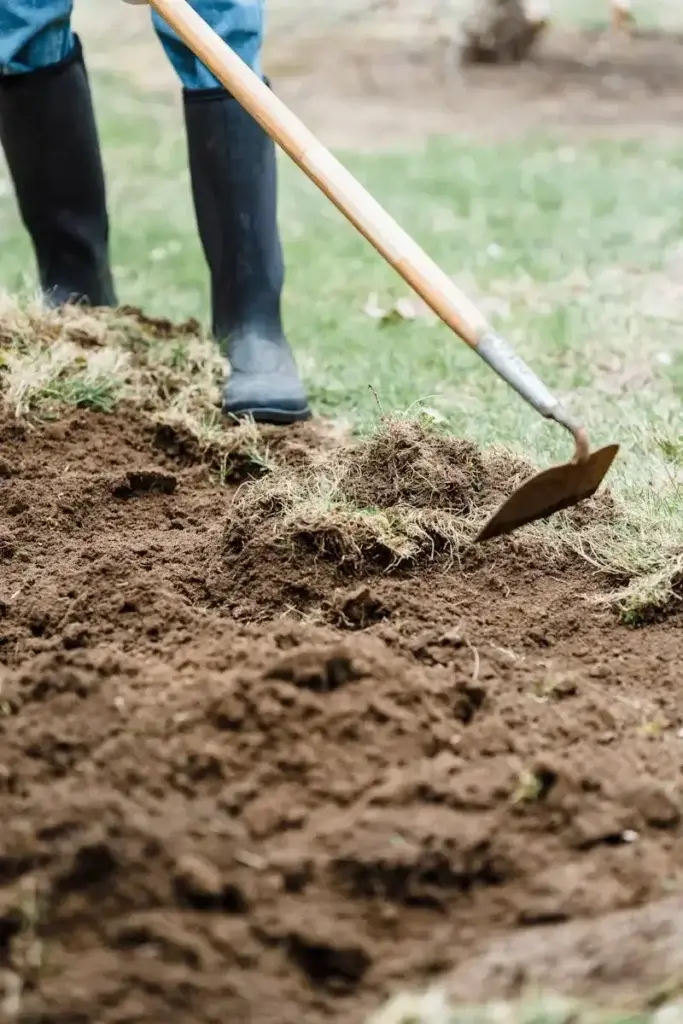
Activated carbon for soil modification refers to the process of deliberately incorporating activated carbon into agricultural and horticultural land. This amendment material consists of conventional activated carbon and biochar organic compound produced through the oxygen-limited decomposition of organic biomass. The application aims to optimise the soil’s physical, chemical and biological properties, thereby boosting crop yields, eliminating soil contaminants and sustaining long-term soil health.
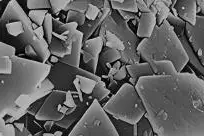
Unlike conventional soil amendments such as compost, lime, or synthetic fertilizers that primarily add nutrients or adjust pH, activated carbon improves soil function through adsorption — its extensive internal pore network captures and retains pesticide residues, herbicide carry-overs, heavy metal ions, and phytotoxic organic compounds that impair plant growth and soil biology. Simultaneously, the porous carbon structure creates microhabitat for beneficial soil microorganisms, improves soil aggregation, enhances moisture retention in light sandy soils, and reduces leaching of nutrients and agrochemicals from the root zone — delivering a multi-dimensional soil improvement effect that persists in the soil for decades due to carbon’s chemical stability.
As global agricultural soils face intensifying pressures from chemical accumulation, erosion, compaction, and declining organic matter content, activated carbon soil amendment is gaining recognition as a scientifically validated tool for soil rehabilitation, sustainable intensification, and agricultural carbon sequestration — offering measurable agronomic, environmental, and climate benefits within a single soil treatment.
Key Advantages of Activated Carbon for Soil Amendment
-
Effective Pesticide and Herbicide Residue Remediation: Activated carbon adsorbs persistent herbicide and pesticide residues from contaminated soils — neutralizing phytotoxic compounds that damage subsequent crops, enabling shorter rotational intervals, and rehabilitating chemically impacted fields for productive agricultural use without waiting for natural degradation.
-
Heavy Metal Immobilization for Food Safety Protection: Activated carbon immobilizes cadmium, lead, arsenic, and other heavy metal contaminants in agricultural soils — reducing their bioavailability and uptake into crops, protecting food chain safety, and enabling productive farming on soils that would otherwise be unsuitable for food crop production.
-
Improved Soil Water and Nutrient Retention: The microporous structure of activated carbon increases soil water holding capacity in light, sandy soils and reduces nutrient leaching — improving drought resilience, reducing irrigation requirements, and increasing fertilizer use efficiency in nutrient-deficient or structurally degraded agricultural soils.
- Support for Beneficial Soil Microbial Communities: Activated carbon's pore structure provides protected microhabitat for beneficial bacteria, fungi, and mycorrhizal networks — supporting soil biological diversity, improving nutrient cycling, and enhancing natural disease suppression mechanisms that reduce dependence on synthetic agrochemicals in intensively farmed soils.
-
Long-Term Carbon Sequestration and Climate Benefit: Chemically stable activated carbon and biochar amendments persist in soil for hundreds to thousands of years — sequestering atmospheric carbon, contributing to agricultural carbon footprint reduction, and supporting the carbon credit and sustainability certification schemes increasingly valued by food retailers and agricultural policy frameworks.
業界が直面する課題
Heavy Metal Accumulation in Agricultural Soils Persists Long After the Original Contamination Source Is Removed
Lead, cadmium, arsenic, and chromium deposited through industrial discharge, mining runoff, and the long-term application of phosphate fertilizers bind tightly to soil particles and resist natural leaching or biological degradation — meaning contaminated farmland remains a liability for decades without active immobilization intervention, and crops grown on untreated soils continue to accumulate toxic metals at concentrations that fail food safety thresholds in export markets.
Persistent Organic Pollutants Resist Conventional Soil Remediation Methods
Residual pesticides, polycyclic aromatic hydrocarbons, and chlorinated compounds from decades of agricultural and industrial activity are hydrophobic, low-volatility molecules that conventional soil washing, thermal treatment, and bioremediation approaches cannot efficiently address at field scale — leaving land managers with remediation timelines measured in years and rehabilitation costs that frequently exceed the productive value of the land itself.
Contaminant Bioavailability Rather Than Total Concentration Determines Actual Crop Uptake Risk
Regulatory risk assessment and remediation success are increasingly evaluated on the basis of bioavailable contaminant fractions rather than total soil concentration — yet many conventional amendment strategies reduce bulk contamination figures without meaningfully suppressing the mobile, pore-water-dissolved pollutant fractions that plant roots actually absorb, creating a compliance gap that persists even after treatment is declared complete.
製品概要
活性炭
AGRI-PW-600
Specific Use Scenarios — Decolorization Activated Carbon
Contaminated Farmland Rehabilitation
Brownfield and Post-Industrial Land Reclamation
Pesticide and Agrochemical Residue Management
Ethylene and Volatile Organic Compound Control in Greenhouse Soils
Heavy Metal Immobilization in Urban and Peri-Urban Green Spaces
Soil Carbon Enrichment for Degraded Agricultural Land
Remediation Support in Phytoremediation Programs
Tailings and Mine Waste Soil Stabilization
Our Gold Extraction Activated Carbon Advantages
Superior Gold Adsorption Capacity
High BET surface area and optimal micro-pore capacity maximise the amount of gold cyanide compound loading per ton of carbon, decrease the amount of carbon stock and enhance the efficiency of the circuitry, and raise the yield of CIP, CIL and CIC.
Exceptional Attrition Resistance
High mechanical rigidity and poor friability will minimise the amount of carbon degradation in the mixing process, decrease the formation of fine and gold in the tailings, reduce the amount of carbon substitution and the total treatment cost.
Reliable Elution & Reactivation Performance
Using the smallest amount of ash, we have a very high level of chemistry. This property avoids undesired contamination of delicate processes such as the manufacture of foodstuffs and drinks or cleaning of medicines.
すべての活性炭のカテゴリーを検索
Industrial Solutions
梱包・物流サービス
安全でカスタマイズ可能な梱包
製品は、輸送中の清潔さと完全性を確保するため、耐久性があり防湿性のあるパウチまたはバルク容器に収納されるものとします。特殊なサイズや取り扱い要件に合わせた、カスタマイズされた梱包オプションもご用意しています。.
信頼性が高く、柔軟なグローバル配送
信頼できる物流パートナーと連携し、海上、航空、陸路の各輸送手段に対応した柔軟な配送体制を提供しています。世界中の目的地へ、迅速かつ安全に貨物を配送いたします。.
注文・サポートの専任調整
弊社では、注文の確定から最終出荷に至るまでの追跡および記録について、特別なサポートを提供しています。サプライチェーンの円滑な運用を保証するため、技術面および物流面でのサポートもご用意しております。.
あなたにぴったりの産業用ソリューションを見つけませんか?
ご注文方法!
詳細なご質問をお送りいただくか、お客様の活性炭のご要件に合わせたお見積もりをご依頼ください。.