湿式法アルミナ
What Is Wet Chemical Alumina?
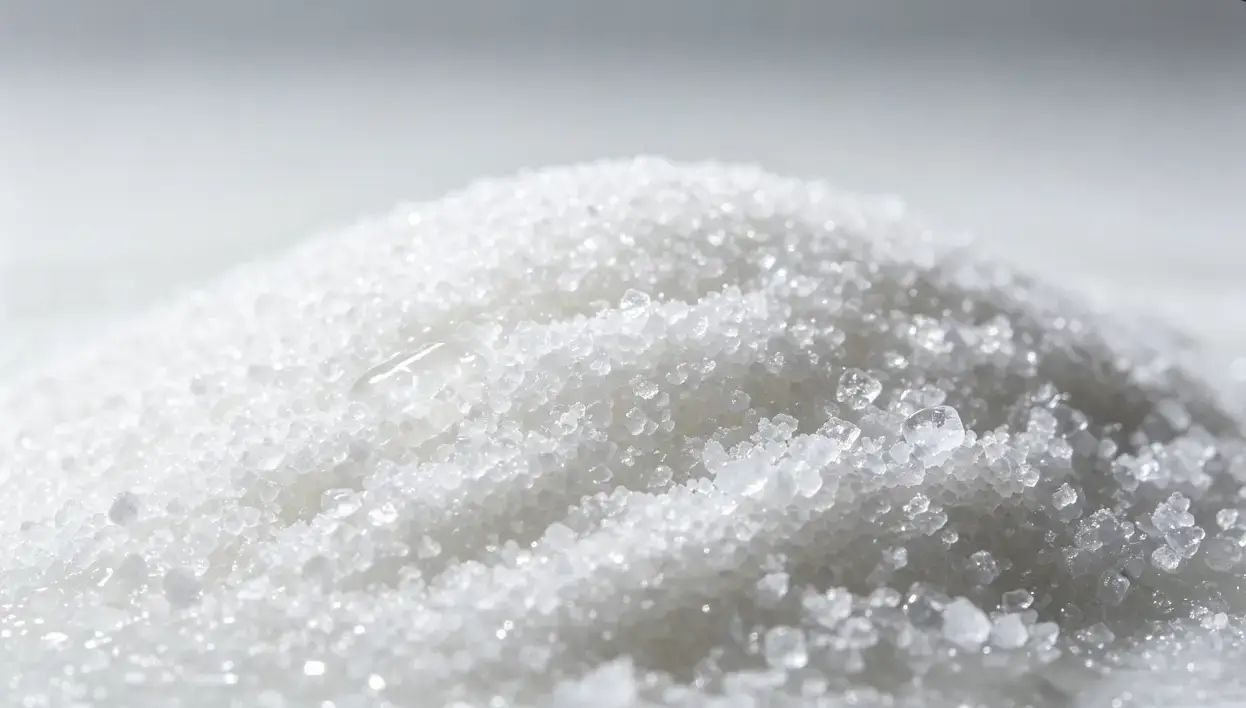
Wet Chemical Alumina refers to aluminum oxide (Al₂O₃) materials produced through liquid-phase synthesis routes — most commonly sol-gel processing, co-precipitation, hydrothermal synthesis, or alkoxide hydrolysis. Unlike conventional calcination or fusion methods that start from solid precursors, wet chemical processes build alumina structures from molecular-level reactions in solution, offering an unparalleled degree of control over particle size, morphology, phase composition, and surface chemistry.
In the sol-gel process, aluminum precursors are hydrolyzed and condensed in solution to form a gel network, which is then dried and calcined to yield highly pure, homogeneous alumina with controlled nanostructure. Co-precipitation routes allow precise dopant incorporation and compositional uniformity, while hydrothermal synthesis enables the growth of well-defined crystalline phases under controlled temperature and pressure conditions.
The result is an alumina material with characteristics that bulk thermal processes simply cannot replicate — including nanoscale particle dimensions, ultra-narrow size distributions, exceptionally high specific surface areas, and precisely engineered surface hydroxyl chemistry. These attributes make Wet Chemical Alumina the material of choice in high-value applications where standard-grade alumina falls short of performance requirements.
Why Choose Wet Chemical Alumina?
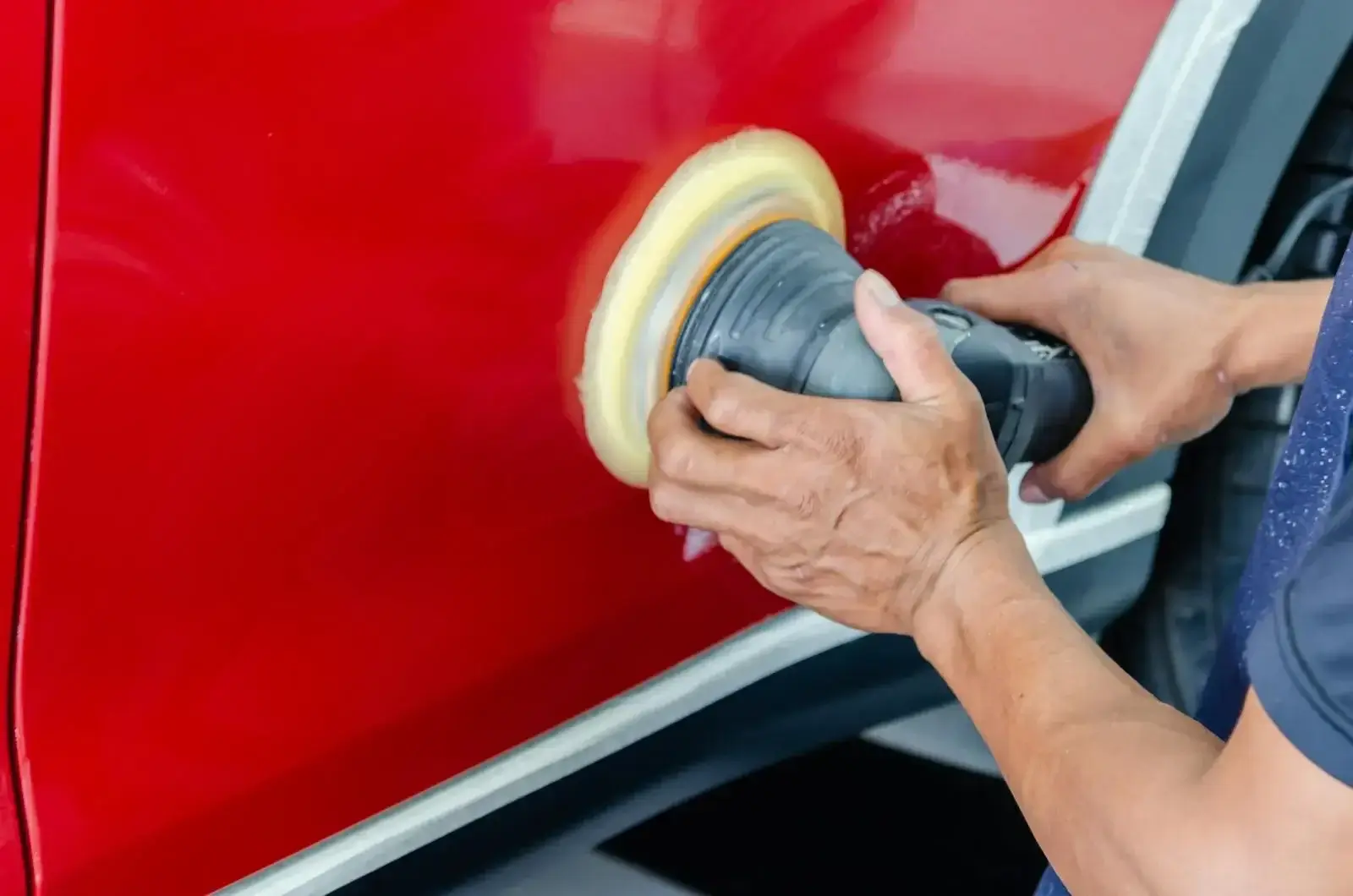
- Nanoscale Particle Precision Wet chemical synthesis enables production of alumina particles in the nanometer range with tight size distribution control — unlocking performance advantages in optical coatings, polishing slurries, and nanocomposite materials that coarser grades cannot deliver.
-
Ultra-High Chemical Purity Solution-phase synthesis from high-purity precursors minimizes metallic and ionic contamination, yielding alumina with exceptional purity levels suited for semiconductor processing, pharmaceutical applications, and advanced electronic substrates.
-
Superior Surface Area & ReactivityWet chemical routes routinely achieve BET surface areas far exceeding those of conventionally calcined alumina, providing maximum active sites for catalytic reactions, adsorption processes, and surface-functionalization treatments.
-
Tailored Surface ChemistryThe abundance of controllable surface hydroxyl groups enables precise surface modification with coupling agents, coatings, or functional molecules — optimizing compatibility with polymers, resins, and active catalyst components.
-
Precise Crystal Phase Engineering Synthesis conditions can be tuned to selectively produce specific alumina phases — including boehmite, gamma, or alpha — with targeted crystallinity levels, delivering material properties precisely matched to application demands.
-
Exceptional Compositional HomogeneityMolecular-level mixing in solution ensures uniform distribution of dopants, modifiers, and phase constituents throughout the alumina matrix — eliminating the compositional gradients common in solid-state processing methods.
業界が直面する課題
高い生産コスト
Wet chemical synthesis routes require high-purity precursor chemicals, precise process controls, and extended processing times, resulting in significantly higher production costs compared to conventional calcination or fusion methods.
Complex Process Parameter Control
Synthesis variables including pH, temperature, precursor concentration, and reaction time must be simultaneously and precisely managed, as minor deviations can substantially alter particle size, phase composition, and surface properties.
Scale-Up Challenges
Translating the precise molecular-level control achieved in laboratory-scale wet chemical synthesis to consistent, large-volume industrial production remains technically demanding and capital-intensive.
Solvent & Wastewater Management
Liquid-phase processes generate significant volumes of chemical waste streams requiring treatment and disposal, raising both environmental compliance costs and operational complexity for producers.
Nanoparticle Agglomeration
Ultrafine wet chemical alumina particles have a strong tendency to agglomerate during drying and calcination steps, compromising the dispersibility and performance advantages that nanoscale particle size is intended to deliver.
製品概要
アルミナ
AS-β-NEW/D500
アルミナ
AP-α-MED/P500
Why Use Our Wet Chemical Alumina
湿式法アルミナ
Solution-phase synthesis from refined chemical precursors minimizes metallic and ionic contamination, delivering alumina purity levels that meet the most stringent specifications in semiconductor processing, pharmaceutical manufacturing, and advanced electronic substrate applications.
Exceptional BET Surface Area
Wet chemical routes consistently achieve surface areas far exceeding conventionally produced alumina, providing maximum active sites for catalytic reactions, gas adsorption, and surface-functionalization treatments critical to high-performance industrial applications.
Outstanding Compositional Homogeneity
Molecular-level mixing in solution ensures uniform distribution of dopants and phase modifiers throughout the alumina matrix, eliminating the compositional gradients and hot spots common in conventional solid-state processing methods.
関連アプリケーション
業界別ソリューション
梱包・物流サービス
安全でカスタマイズ可能な梱包
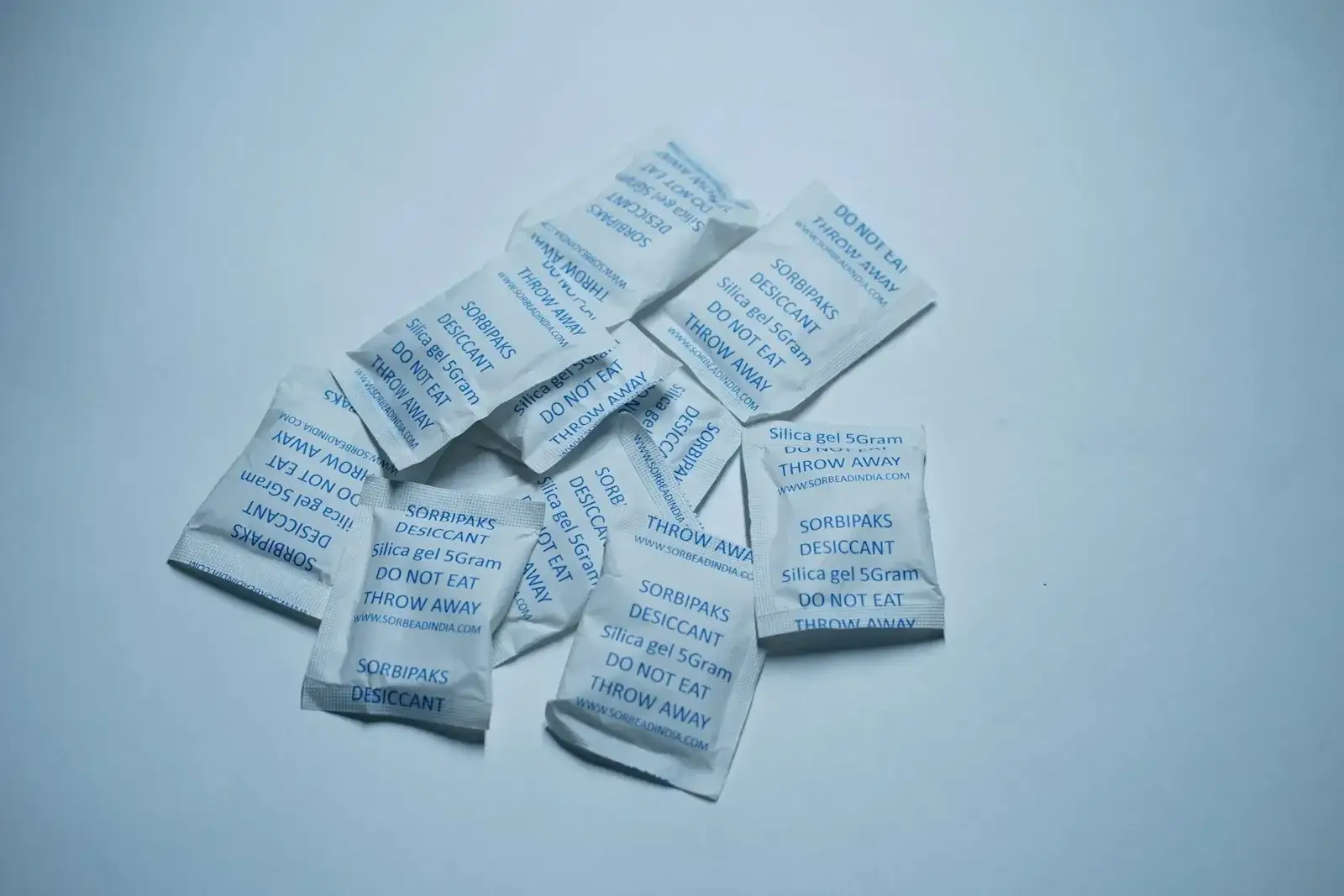
製品は、輸送中の清潔さと完全性を確保するため、耐久性があり防湿性のあるパウチまたはバルク容器に収納されるものとします。特殊なサイズや取り扱い要件に合わせた、カスタマイズされた梱包オプションもご用意しています。.
信頼性が高く、柔軟なグローバル配送
信頼できる物流パートナーと連携し、海上、航空、陸路の各輸送手段に対応した柔軟な配送体制を提供しています。世界中の目的地へ、迅速かつ安全に貨物を配送いたします。.
注文・サポートの専任調整
弊社では、注文の確定から最終出荷に至るまでの追跡および記録について、特別なサポートを提供しています。サプライチェーンの円滑な運用を保証するため、技術面および物流面でのサポートもご用意しております。.
あなたにぴったりの産業用ソリューションを見つけませんか?
ご注文方法!
詳細なご質問をお送りいただくか、お客様の活性炭のご要件に合わせたお見積もりをご依頼ください。.