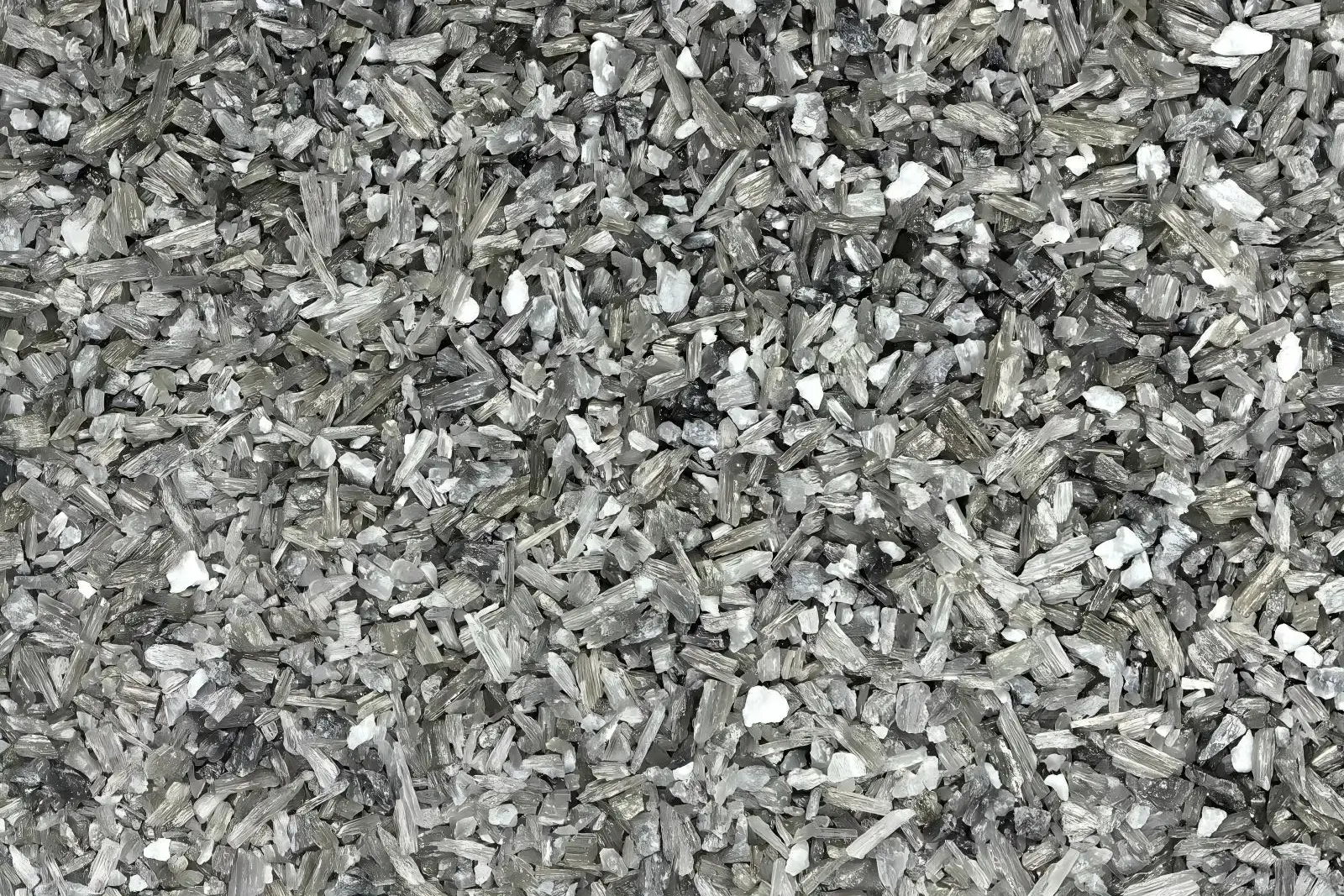

Calcination of Aluminum Hydroxide
What Is Calcination of Aluminum Hydroxide?
Calcination of Aluminum Hydroxide is a thermal decomposition process in which aluminum hydroxide (Al(OH)₃) or aluminum oxyhydroxide (AlOOH) is heated at controlled temperatures — typically ranging from 300°C to over 1,200°C — to progressively remove chemically bound water and hydroxyl groups, yielding aluminum oxide (Al₂O₃) with precisely defined physical and chemical characteristics.
Unlike other alumina production routes, this method offers exceptional control over the transformation sequence. At lower calcination temperatures, transitional alumina phases such as gamma (γ), eta (η), and theta (θ) are produced, retaining high surface area and active porosity. As temperatures rise toward 1,200°C and beyond, the material fully converts to the stable alpha (α) phase, delivering maximum hardness and thermal stability.
The starting material — whether gibbsite, boehmite, or bayerite — significantly influences the final alumina’s microstructure, surface chemistry, and phase composition. This process flexibility makes Calcination of Aluminum Hydroxide one of the most versatile and widely applied routes for producing functional alumina materials tailored to specific industrial requirements, from catalyst carriers and adsorbents to advanced ceramics and electronic substrates.
Why Choose Calcination of Aluminum Hydroxide?
- Precise Crystal Phase ControlBy adjusting calcination temperature and atmosphere, specific alumina phases — from highly active transitional forms to stable alpha alumina — can be selectively produced to match the exact performance requirements of target applications.
-
Tunable Surface Area & Porosity Lower calcination temperatures preserve high BET surface area and controlled mesoporous structure, making the resulting alumina ideal for catalyst supports, desiccants, and adsorption applications requiring maximum active surface contact.
-
High Chemical PurityStarting from refined aluminum hydroxide feedstock ensures a high-purity Al₂O₃ product with minimal trace impurities — critical for sensitive applications in pharmaceuticals, electronics, and specialty ceramics.
-
Flexible Particle MorphologyThe physical characteristics of the precursor material are largely inherited by the calcined product, allowing particle size, shape, and texture to be pre-engineered at the hydroxide stage for downstream application optimization.
-
Broad Application Versatility From gamma alumina used in catalyst formulations and gas drying to alpha alumina for advanced ceramics and abrasives, this production route covers the full spectrum of industrial alumina applications within a single process framework.
-
Cost-Effective & Scalable ProductionCalcination of Aluminum Hydroxide leverages widely available precursor materials and well-established rotary kiln or fluidized bed technologies, enabling cost-efficient, large-scale production with consistent output quality.
業界が直面する課題
Precise Temperature Control Demands
Even minor deviations in calcination temperature can trigger unintended phase transitions, producing off-spec alumina with inconsistent surface area, crystal structure, or mechanical properties that fail to meet application requirements.
Phase Transition Complexity
Managing the sequential transformation from aluminum hydroxide through multiple transitional alumina phases to stable alpha alumina requires deep process expertise and tightly controlled kiln parameters throughout the entire thermal cycle.
High Energy Consumption
Sustained high-temperature processing in rotary kilns or fluidized bed reactors demands significant energy input, directly impacting production costs and making energy efficiency a persistent operational challenge.
Feedstock Variability
Differences in precursor material — gibbsite, boehmite, or bayerite — significantly influence calcination behavior and final product properties, requiring process adjustments whenever raw material source or grade changes.
製品概要
アルミナ
AP-AM-MED/P300
Why Use Our Calcination of Aluminum Hydroxide
Precise Crystal Phase Selectivity
By controlling calcination temperature and atmosphere, specific alumina phases — from high-surface-area gamma to hard, stable alpha — can be selectively produced, delivering material properties precisely matched to the target application's performance requirements.
Tunable Surface Area & Porosity
Lower-temperature calcination preserves high BET surface area and active mesoporous structure, making the resulting alumina exceptionally effective for catalyst supports, desiccants, and adsorption applications requiring maximum surface contact and reactivity.
Flexible Particle Morphology Control
Precursor selection and pre-treatment allow particle size, shape, and texture to be pre-engineered before calcination, enabling downstream application optimization without costly post-processing or additional particle modification steps.
関連アプリケーション
業界別ソリューション
梱包・物流サービス
安全でカスタマイズ可能な梱包
製品は、輸送中の清潔さと完全性を確保するため、耐久性があり防湿性のあるパウチまたはバルク容器に収納されるものとします。特殊なサイズや取り扱い要件に合わせた、カスタマイズされた梱包オプションもご用意しています。.
信頼性が高く、柔軟なグローバル配送
信頼できる物流パートナーと連携し、海上、航空、陸路の各輸送手段に対応した柔軟な配送体制を提供しています。世界中の目的地へ、迅速かつ安全に貨物を配送いたします。.
注文・サポートの専任調整
弊社では、注文の確定から最終出荷に至るまでの追跡および記録について、特別なサポートを提供しています。サプライチェーンの円滑な運用を保証するため、技術面および物流面でのサポートもご用意しております。.
あなたにぴったりの産業用ソリューションを見つけませんか?
ご注文方法!
詳細なご質問をお送りいただくか、お客様の活性炭のご要件に合わせたお見積もりをご依頼ください。.