耐火アルミナ

Designed to be used continuously in high heat industry conditions, refractory aluminum oxide offers extraordinary heat, slag-resistant, and mechanical properties at temperatures above 1,600 degrees Celsius – offering the structural integrity and chemical inert properties that are needed in a steel stove, a concrete kiln, a glass vessel, and a petrochemical reactor.
Refractory Alumina Featured Image

What Is Refractory Alumina?

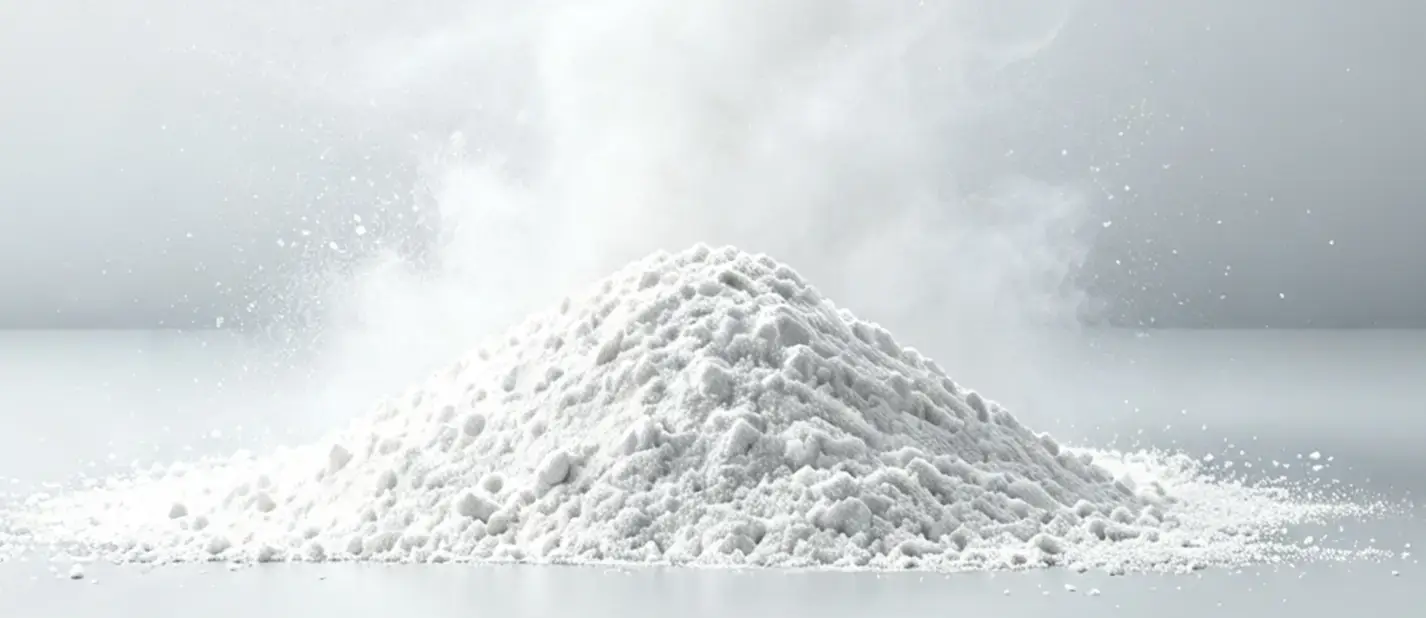
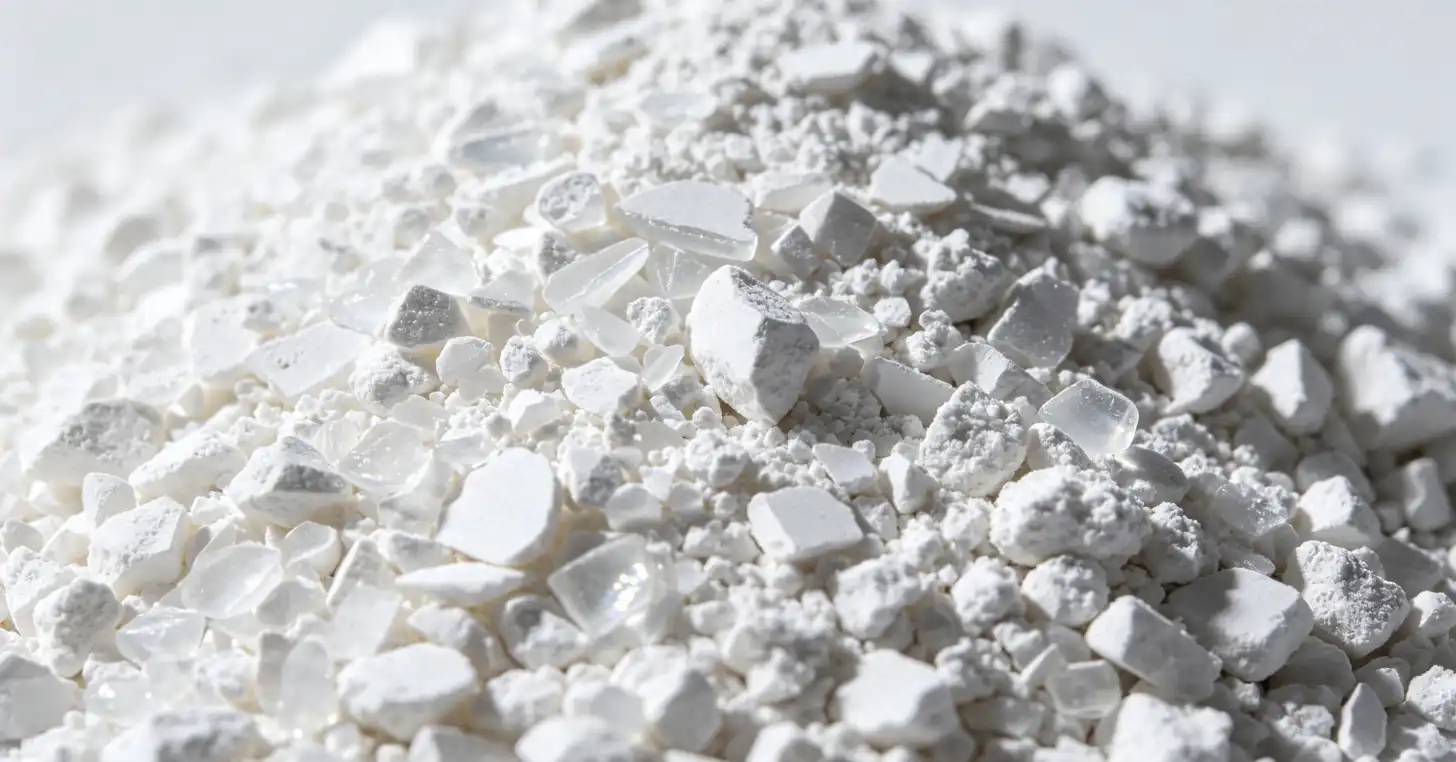
Refractory alumina refers to aluminum oxide (Al₂O₃) materials with high alumina content that are specially selected and processed for the production of refractory products. These products include castables, bricks, monolithic linings, precast shapes, and ceramic fiber compositions, all of which are designed to endure long-term service under extreme temperature conditions in industrial furnaces, kilns, reactors, and high-temperature process vessels.

According to different application requirements, refractory alumina exists in several material forms. Calcined alumina, which features high purity and controlled particle size, is applied in the formulation of castables and bricks. Tabular alumina, as a sintered aggregate, offers excellent dimensional stability and resistance to thermal shock. Fused alumina, meanwhile, provides maximum density and resistance to slag penetration, making it suitable for the most chemically aggressive high-temperature environments. The selection of each form depends on the specific temperature exposure, intensity of thermal cycling, chemical attack conditions, and mechanical load requirements of the target refractory application.

The performance of refractory systems in steel furnaces, cement rotary kilns, glass melting tanks, aluminum smelting cells, petrochemical crackers, and waste incineration chambers is closely related to the alumina content, phase composition, and microstructure of the refractory materials used. The higher the alumina content — ranging from 70% Al₂O₃ in high-alumina brick to more than 99% in ultra-high-purity castable formulations — the better the service temperature capability, chemical resistance, and mechanical strength of the material under thermal load.

Key Advantages of Refractory Alumina

All of these properties make active carbon an essential part of any integrated air-cleaning policy – from single dwelling houses to large scale HVAC systems.

業界が直面する課題

Increasingly aggressive slag compositions accelerating refractory lining wear and penetration

Contemporary steelmaking and smelting technologies tend to produce slags containing elevated proportions of iron oxide, alkali and fluoride. Compared with traditional slag systems, such components exert stronger erosion effects on alumina refractory linings. Therefore, the application of alumina materials with higher purity and greater compactness is required to ensure the service life of furnace linings can meet practical engineering requirements.

Thermal shock damage from rapid temperature cycling in batch and intermittent process operations

Steel ladle, pre-heater, and batch kiln are subjected to a series of quick hot and cold cycles which result in cracking, flaking and structure failure in aluminum refractory materials with inadequate heat-shock resistance.

Rising furnace operating temperatures pushing conventional refractory grades beyond their service limits

Improvements in energy efficiency and productivity requirements in the steel, concrete, and glass industries are pushing the operation of the furnace up to a higher – making the lower aluminium refractory grades insufficient and the need for a switch to a more highly pure aluminum oxide formulation with a higher temperature.

製品概要

アルミナ

DFA-F-MET/R100

アルミナ

DFA-F-MET/R300

アルミナ

DFA-F-MET/R500

アルミナ

CCO-F-MET/R500

Specific Use Scenarios — Refractory Alumina

Steel Manufacturing — Ladle, Furnace, and Converter Lining Systems

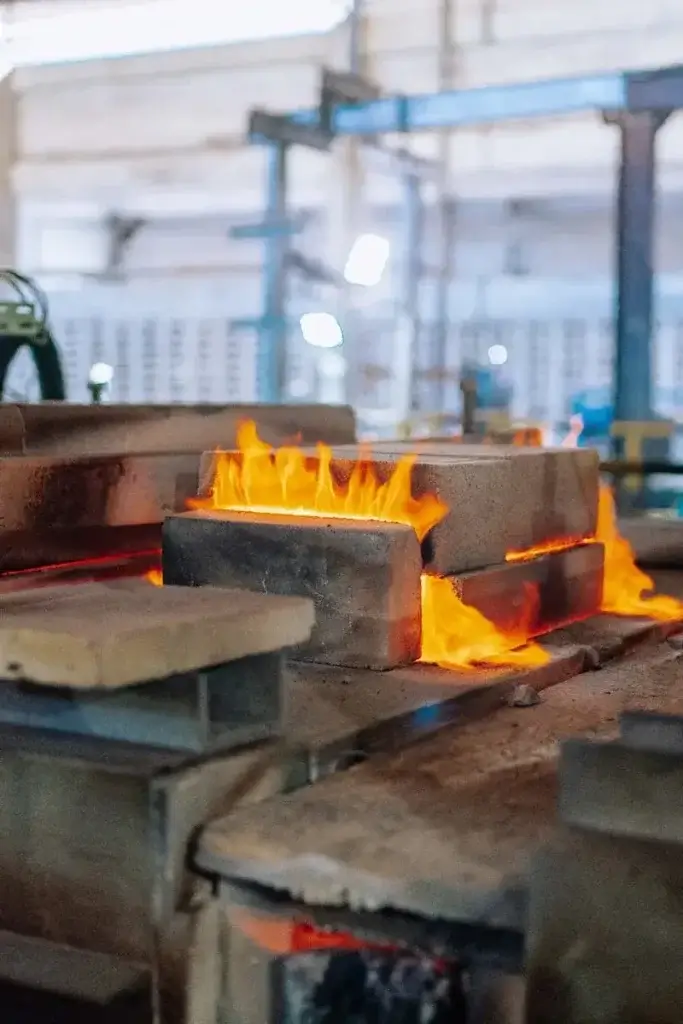
Alumina refractory serves as a key raw material for preparing high-alumina castables, shaped bricks and integral linings, which are widely applied in steel ladles, electric arc furnaces, basic oxygen furnaces and continuous casting tundishes. In these scenarios, alumina refractory materials are required to resist the penetration of iron and steel slags, endure service temperatures above 1600°C when in contact with molten steel, and retain stable structural performance during long-term production. This includes enduring repeated thermal cycles brought by ladle charging, transportation, casting and preheating processes.

Cement Production — Rotary Kiln Burning Zone and Transition Zone Linings

In cement rotary kilns, the burning zone and transition section usually operate within a temperature range of 1400°C to 1500°C. Under the conditions of continuous rotation, thermal gradient stress and chemical corrosion from clinker and high-alkali kiln gas, high-alumina refractory bricks and castables with alumina refractory aggregate can provide the necessary thermal stability, wear resistance and chemical inertness. These properties help meet the designed service life of the kiln, thereby lowering the frequency and cost of shutdown maintenance and brick replacement in high-yield cement production lines.

Glass Manufacturing — Melting Tank, Regenerator, and Feeder System Linings

The glass melter, the regenerator panel, the forehearth, and the feed system are in operation in the presence of a constant high temperature of the glass melt, the corrosion of the alkaline steam, and the heat gradient, which can quickly degrade the lower aluminum refractory materials. Refractory aluminum — especially fused aluminum oxide and high purity fired aluminum oxide grades — offers a glass-melt corrosion-resistant, low-glass-contaminated, and structurally stable properties needed for prolonged glass-smelting operations in vessel, plate, and speciality glassmaking operations.

Aluminum Smelting and Non-Ferrous Metal Processing

In primary aluminum electrolysis cells, aluminum melting and holding furnaces, copper smelting systems and zinc distillation furnaces, the service environment is highly corrosive. Molten metals and process slags tend to erode conventional refractory materials severely. High-alumina refractory castables and bricks containing alumina refractory aggregates exhibit excellent chemical corrosion resistance, thermal stability and mechanical strength. These characteristics effectively guarantee the service life of lining structures in non-ferrous metal production processes with harsh working conditions.

Petrochemical and Refinery High-Temperature Reactor and Heater Linings

Oil refining process heaters, FCC plants, hydrogen reforming plants, and high temperature reactors need a fire-resistant liner system to keep the structure intact in the face of constant heat stress, the erosion of the process air stream, and the occasional heat shock caused by the disruption of the process or an emergency shutdown. Refractory aluminum alloy and insulative refractory formulas offer a combination of heat-resistant heat-resistant, chemically stable, and back-up insulation that is needed for a reliable refinery plant liner.

Waste Incineration and Thermal Treatment Facility Linings

Municipal domestic waste incinerators, hazardous waste heat treatment devices and biomass combustion equipment will produce complex flue gas containing corrosive alkali chlorides, sulfates and heavy metal compounds. These substances will cause erosion to refractory linings in the temperature range of 900°C to 1200°C. High-alumina refractory castables with refractory alumina as raw material show excellent resistance to the combined action of chemical corrosion and thermal damage in the combustion chamber, post-combustion zone and flue gas pipeline of waste heat treatment. It can effectively prolong the service life of the lining and reduce

Industrial Furnace and Kiln Furniture for Ceramic and Electronic Component Firing

Refractory aluminum oxide is used for making furnitures — including setter boards, saggers, push boards, and support girders — for supporting ceramic elements, electronics, and high-end components in high temperature firing and sintering. High purity aluminum furnace furniture offers dimension stability, free from contamination of volatile materials, and repetitive heat circulation resistant to ensure the quality and size precision of fired ceramic and electrical parts in technological pottery and electronics furnaces.

Our Refractory Alumina Advantages

Extreme Temperature Stability Enabling Continuous High-Temperature Service

Refractory aluminum oxide is able to keep structure, load bearing and dimension stable at more than 1,600 degrees Celsius for a long period of time - to offer solid liner properties in the most heated areas of a steel ladle, an EAF, a concrete kiln or a glass-melting vessel.

Superior Slag and Molten Metal Resistance Extending Lining Campaign Life

High-alumina refractory materials can effectively impede the chemical penetration and erosion caused by steel slags, molten aluminum, cement clinker and glass melts. This greatly prolongs the service cycle of furnace linings and lowers the frequency of expensive refractory replacement in high-wear kilns and furnaces.

Versatile Material Forms Supporting Diverse Refractory System Designs

High-alumina refractory materials can effectively impede the chemical penetration and erosion caused by steel slags, molten aluminum, cement clinker and glass melts. This greatly prolongs the service cycle of furnace linings and lowers the frequency of expensive refractory replacement in high-wear kilns and furnaces. Available in the form of calcining, tabular, and fused alumina grades in powder, granular, and aggregate - refractory aluminum oxide is made into castables, firing mixtures, moulded bricks and precast forms according to the assembly techniques and properties required for each particular furnace or kiln liner.

すべての活性炭のカテゴリーを検索

Refractory alumina is one specialized grade within a broader alumina product range engineered for diverse industrial requirements. We offer a wide range of products from active aluminum oxide used in drying and fluoride-removing applications to calcining and grinding aluminium grades for ceramic production and precise milling. Check out the full catalogue of aluminum oxide products for comparison of grades, forms, and sizes – and identify the appropriate aluminum oxide solution for each of your operations.

すべての産業向けソリューションを検索

Refractory alumina is one part in a broader portfolio of industrial chemical materials. Effective high temperature operations are usually achieved by combining refractory aluminum oxide, active carbon, and titanium dioxide in a mixture of iron oxide, iron oxide, and iron oxide. Explore our industrial solutions and find out how they work together to solve the complicated heat, chemistry and technology problems in many industries.

梱包・物流サービス

安全でカスタマイズ可能な梱包

製品は、輸送中の清潔さと完全性を確保するため、耐久性があり防湿性のあるパウチまたはバルク容器に収納されるものとします。特殊なサイズや取り扱い要件に合わせた、カスタマイズされた梱包オプションもご用意しています。.

信頼性が高く、柔軟なグローバル配送

信頼できる物流パートナーと連携し、海上、航空、陸路の各輸送手段に対応した柔軟な配送体制を提供しています。世界中の目的地へ、迅速かつ安全に貨物を配送いたします。.

注文・サポートの専任調整

弊社では、注文の確定から最終出荷に至るまでの追跡および記録について、特別なサポートを提供しています。サプライチェーンの円滑な運用を保証するため、技術面および物流面でのサポートもご用意しております。.

あなたにぴったりの産業用ソリューションを見つけませんか?

ご注文方法!

詳細なご質問をお送りいただくか、お客様の活性炭のご要件に合わせたお見積もりをご依頼ください。.
製品の詳細、価格、納期などが記載された詳細な提案書をご請求ください。.
ご注文内容をご確認の上、安全な決済手続きをお進めください。.
ご注文は、迅速に処理・丁寧に梱包され、速やかに発送されます。.
配信に集中してください。何かありましたら、遠慮なく当社のテクニカルサポート担当者までご連絡ください。.

今すぐお問い合わせ!

個別のお見積もりや技術サポートをご希望の方は、今すぐお問い合わせください。.

お問い合わせはこちら